

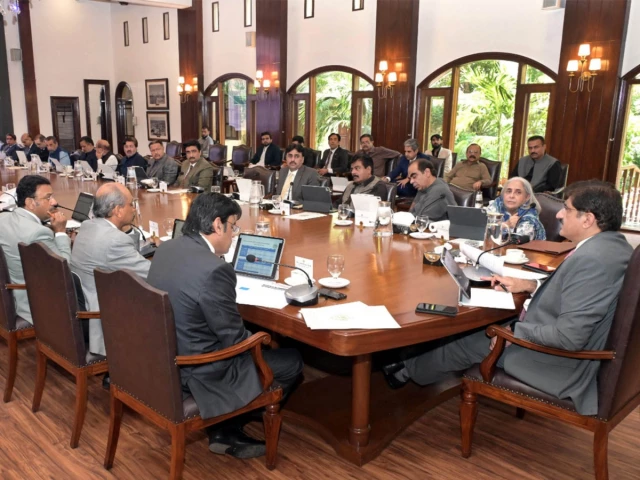
The federal cabinet has officially greenlit an extension for the judicial commission tasked with probing the Mir Raza incident, giving investigators more time to uncover the facts. With the Mir Raza judicial commission term extended, the inquiry panel now has until mid-October to wrap up its exhaustive proceedings and submit its final findings after originally operating under a tighter timeframe.
Cabinet Grants Extra Time for Thorough Review
Administrative leaders met recently to review the progress of the high-profile investigation into the Mir Raza case. Recognizing the complexity of the situation and the sheer volume of evidence that needs processing, the cabinet agreed that cutting the inquiry short would compromise its depth. According to the original report, this decision reflects a broader commitment to ensuring that every relevant detail is properly examined before any definitive conclusions are reached.
The events surrounding the Mir Raza incident have drawn intense public and media scrutiny across Pakistan. Civil society organizations, legal experts, and political leaders have repeatedly stressed the importance of a transparent, thorough, and unbiased investigation. By granting additional time, the federal cabinet aims to alleviate the pressure on investigators, allowing them to thoroughly interview witnesses, analyze forensic evidence, and review pertinent documentation without rushing through procedural safeguards.
Mir Raza Judicial Commission Term Extended Amid High Stakes
At the helm of the inquiry is Justice Umar Sial, whose leadership has guided the panel through numerous witness testimonies and evidentiary reviews. Recognizing that unforeseen delays can frequently crop up in sensitive legal inquiries, the cabinet built a safety valve into the latest ruling. Officials confirmed that Justice Sial will retain the discretion to continue his investigative work even past the newly established cutoff, should the demands of the case require additional time.
The inquiry touches upon sensitive administrative and legal questions, making meticulous fact-finding essential. Legal analysts note that high-profile judicial commissions often encounter logistical hurdles, ranging from scheduling conflicts with key witnesses to the delayed submission of expert testimony. By building flexibility into the mandate, the government has acknowledged these potential roadblocks and provided a framework designed to protect the integrity of the final report.
Next Steps for the Investigation
With the deadline officially pushed back to October 15, the commission faces a renewed mandate to finalize its interviews, pore over documentation, and draft a comprehensive report. Political and legal observers are closely monitoring the panel’s final weeks, hoping for transparency and clarity once the findings are eventually made public.
As the commission utilizes this extended window, the focus remains squarely on delivering an objective and accurate account of events. SparkNest will continue tracking updates on the inquiry as it approaches its new autumn deadline, providing ongoing analysis of how the findings may influence broader legal and political developments in the region.
Related reading:
- Sindh Home Minister Issues Unconditional Apology to Judicial Commission Over Mir Raza Case
- PTI postpones Islamabad march: Pakistan Tehreek-e-Insaf Delays Protest Demonstration to October
- Philippines Reflects on Martial Law History as Marcos Enters Final Term Stretch
