

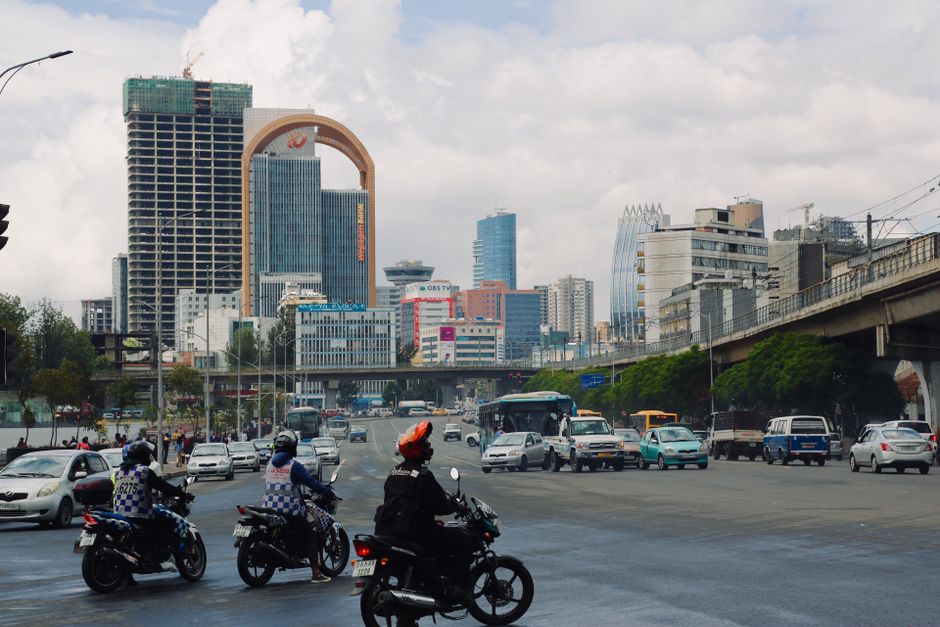
Residents of Ethiopia’s bustling capital experienced a night of tension after loud blasts echoed across the city. Reports of explosions in addis ababa have left the public deeply unsettled. The sudden disturbance follows strict new airspace regulations and rising security concerns in the region, leaving many locals searching for answers as authorities work to manage the unfolding situation and understand what triggered the midnight panic.
Understanding the Recent Explosions in Addis Ababa
The mysterious blasts occurred just days after the government banned drone flights over the metropolitan area. Officials enacted the airspace restrictions to bolster security and mitigate potential airborne threats, though the sudden policy shift immediately heightened anxiety among the city’s inhabitants who were already feeling vulnerable due to shifting regional dynamics.
Escalating Conflict North of Addis Ababa
The recent security developments do not exist in a vacuum. These events unfold just a week after intense armed clashes broke out north of the capital. That fighting involved government military forces and a newly formed coalition of armed opposition groups, signaling a worrying expansion of regional instability that threatens to draw the urban center further into the ongoing civil friction.
Uncertainty Grips Local Residents
With official details emerging slowly, citizens throughout the urban center remain on edge. The combination of newly imposed flight bans and the sound of unexpected detonations has amplified worries regarding the broader stability of the nation. People are closely monitoring official channels for updates as the security apparatus responds to the escalating crisis.
As the situation continues to develop, the international community and local observers are watching closely to see how federal authorities will address both the armed resistance outside the city and the growing unease within the capital itself. Further updates are expected as authorities release more information on the cause of the blasts.
Local infrastructure remains under heightened surveillance, and public transport systems have experienced minor delays as security checkpoints multiply across major thoroughfares. Community leaders are urging calm while families stock up on essential supplies, fearing that further security escalations could lead to temporary lockdowns or more severe communication blackouts in the days ahead.
International embassies stationed in the region have issued advisory warnings to their respective citizens, recommending increased vigilance and the avoidance of large public gatherings. Analysts suggest that the convergence of airspace closures and military movements points to a concerted effort by the federal government to secure the capital’s perimeter against potential aerial reconnaissance or incursions by opposition factions operating in neighboring zones.
Looking Ahead at Regional Security
The path forward for Ethiopia hinges heavily on diplomatic engagement and the containment of armed factions currently challenging state authority. While economic activities inside the metropolis attempt to resume a semblance of normalcy, the psychological impact of the recent airspace restrictions and midnight disturbances will likely linger. Citizens and business owners alike continue to voice concerns about the long-term economic toll of persistent political instability, emphasizing that sustained peace is vital for the prosperity of the entire Horn of Africa region.
Related reading:
- ANA plane emergency landing Naha: Flight Makes Emergency Landing at Naha Airport Following Suspected Engine Issue
- UAE airlines Russian airspace watched closely following Ukraine drone alerts
- UAE Intercepts Drone From Iran Over Waters Following Retaliation Claims
