

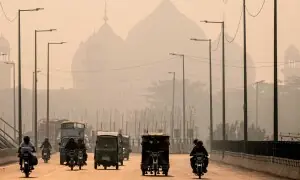
Lahore has found itself at the top of an unfortunate global list once again, reclaiming the title of the most polluted city in the world. As the designated Lahore most polluted city headline flashes across international monitors, monitoring data from air quality platforms has put the Pakistani city in the spotlight as hazardous smog conditions return to plague the region, sparking renewed concerns over urban public health and environmental management.
A Recurring Winter Crisis for Lahore
Air pollution has become one of Pakistan’s most severe crises over recent years. While various urban centers across the country experience degraded air during certain times of the year, Lahore has consistently borne the heaviest burden, particularly as winter approaches and weather patterns shift. Historical data indicates that the region regularly experiences prolonged inversions during the colder months, trapping foul air near the surface for weeks at a time and causing spikes in hospital visits due to respiratory distress, asthma attacks, and cardiovascular complications among vulnerable populations such as the elderly and young children. Public health officials note that emergency rooms see a dramatic surge in patient admissions within days of the first major smog blanket settling over the metropolitan area, overwhelming local clinics and straining medical resources.
Understanding the Primary Pollution Sources
Environmental experts point to a combination of distinct factors driving the dangerous air conditions. Industrial emissions, a heavy volume of vehicular traffic on city roads, and agricultural stubble burning all contribute massive quantities of particulate matter into the atmosphere. Trapped by regional wind patterns, these pollutants form a thick, persistent layer of smog close to the ground. Past municipal analyses highlight that vehicular exhaust and unregulated industrial practices remain the largest contributors to particulate matter 2.5 levels, compounding the seasonal burden introduced by cross-border agricultural fires and brick kiln operations surrounding the sprawling urban perimeter.
Global Rankings and Current Measurements
According to live trackers like IQAir, Lahore registered an air quality index reading of 167 on Friday morning, pushing it squarely into the “unhealthy” category. This measurement placed it just ahead of other heavily impacted urban areas globally, such as Dhaka in Bangladesh and Cairo in Egypt. Environmental scientists emphasize that readings frequently climb far higher during peak winter months, sometimes entering hazardous territory where outdoor activity is strongly discouraged for all citizens. You can read more about these developments by reviewing the original report.
Government Response and Future Mitigation
In response to the mounting environmental pressures, local leadership has acknowledged the severity of the crisis. Chief Minister Maryam Nawaz has stated that the provincial government is actively working on measures and interventions to tackle these complex environmental hurdles and protect local populations from prolonged exposure to toxic air. Authorities have previously experimented with artificial rain initiatives, targeted industrial shutdowns, and stricter vehicle fitness checks, though experts argue that sustained enforcement and regional cooperation are necessary to achieve permanent relief. Long-term strategies currently under discussion include transitioning public transport to electric vehicles, expanding green urban spaces, and establishing continuous monitoring stations to better track pollution sources in real time.
As winter settles in, residents of Lahore continue to face daily reminders of the urgent need for long-term environmental reform. With public health hanging in the balance, finding sustainable solutions to curb industrial and vehicular emissions is an urgent priority for local authorities and community leaders alike.
Related reading:
- Singapore Air Quality Indonesian Wildfires: Haze Chokes City Skyline
- Houthi Rebels Take Over Port City, Threatening Global Trade
- UN Warns Wildfires Heatwaves Air Quality Are Threatening Global Health
