

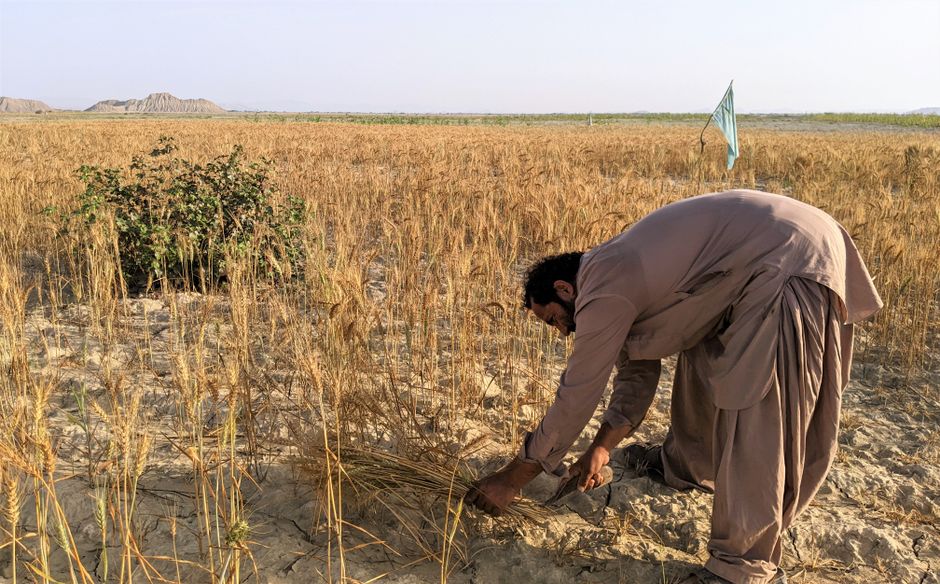
Farming groups across Pakistan are demanding a major financial reset, calling on federal and provincial governments to dedicate at least ten percent of their budgets to the farming sector. Amid mounting economic hardships and inflationary pressures, advocates argue that urgent funding is required to curb escalating production costs and alleviate chronic fiscal deficits that threaten rural livelihoods across the country.
The Rising Pressures on Local Producers
According to the original report, agricultural organizations are sounding alarms over shrinking profit margins and mounting operational hurdles. The Kissan Board Pakistan has specifically pushed for elevated support rates, suggesting figures of Rs5,000 per 40kg for wheat and Rs700 for sugarcane. Beyond pricing concerns, producers point to widespread urea shortages, burdensome electricity tariffs, disappointing fruit market returns, and regional trade disruptions caused by border closures, threatening widespread demonstrations if authorities fail to act. Recent months have witnessed a surge in localized protests, tractor rallies, and sit-ins outside legislative assemblies as growers express frustration over delayed payments and skyrocketing costs for essential inputs like fertilizers and diesel. In response to Kissan Board Pakistan farming demands, agricultural economists emphasize that these demonstrations reflect deep-seated systemic failures rather than temporary grievances, signaling a critical tipping point for the nation’s rural economy.
Why Financial Aid Alone Falls Short
While the agricultural sector accounts for roughly 22 percent of the national gross domestic product and underpins the survival of nearly 60 percent of the population, it traditionally captures only a tiny fraction of public spending—typically between two and three percent. Yet, industry analysts caution that simply throwing money at the issue will not solve the underlying problems. Historical reliance on administered prices and input subsidies has frequently backfired, distorting open markets, rewarding better-connected stakeholders, and leaving smaller producers vulnerable. Furthermore, cash handouts and poorly targeted subsidies often fail to reach smallholders who cultivate less than five acres of land, widening the inequality gap within rural communities and exacerbating debt traps that force generational farmers to abandon their ancestral lands.
Targeting Structural Deficits for Real Growth
Experts suggest that public funds would be far better spent tackling foundational weaknesses that stall long-term productivity. Sustained capital investment is urgently required in critical areas such as water management, irrigation efficiency, farm-to-market infrastructure, modern storage facilities, agricultural research, and advanced seed technology. Furthermore, expanding affordable financing options and shared machinery services can accelerate mechanization without placing an unbearable debt burden on everyday growers. Comprehensive policy overhauls must also incorporate climate-resilient farming techniques, as changing weather patterns, prolonged dry spells, and devastating floods continue to jeopardize crop yields and push vulnerable farming communities deeper into financial distress.
Moving Toward Global Competitiveness and Kissan Board Pakistan farming demands
Ultimately, transforming the rural economy means shifting away from perpetual market protection and toward modernization. For local producers to compete on the global stage, policymakers must eliminate unpredictable trade barriers, stabilize access to reliable power and water, and step back from arbitrary market interventions. Encouraging farmers to navigate real market demand and pricing signals will foster a more resilient and sustainable agricultural future. Addressing Kissan Board Pakistan farming demands requires a balanced strategy that bridges immediate relief with long-term structural reforms, ensuring that the agricultural sector evolves into a dynamic, export-oriented powerhouse capable of withstanding future economic shocks.
As debates over fiscal allocations continue, the path forward will rely heavily on whether policymakers choose short-term fixes or deep, structural modernization to secure the nation’s food supply and economic foundation.
Related reading:
- Pakistan Petrol Price Decrease Today: Fuel Rates Drop Across the Board as Government Cuts Petrol and Diesel Rates
- China Higher Education Reform: Major Overhaul to Tackle Evolving Job Market
- Pakistan Petrol Price Increase Today: Fuel Prices Rise Across the Board as Government Adjusts Rates
