

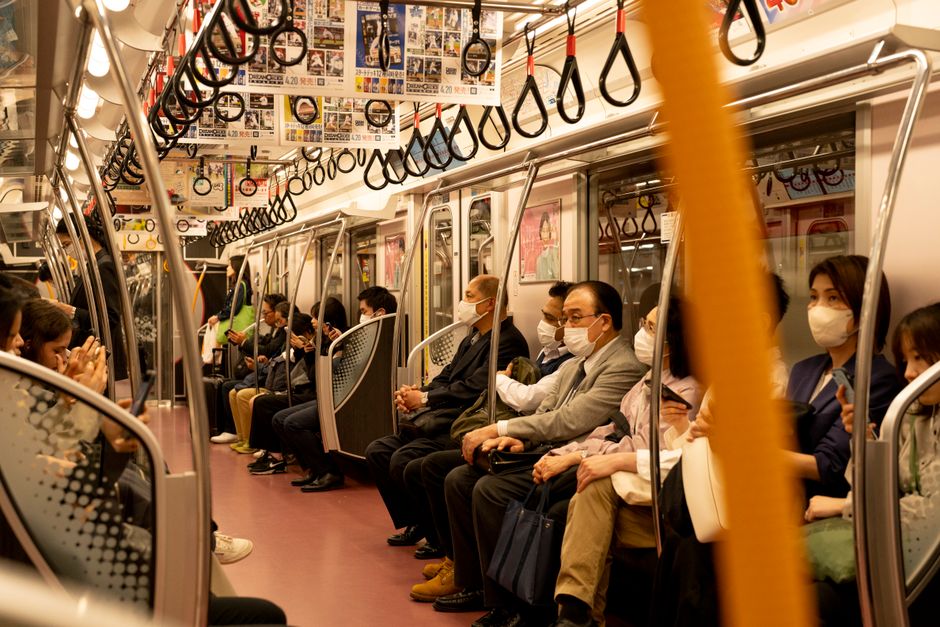
Japan is globally recognized for the punctuality, efficiency, and reliability of its vast public transportation network. Behind Japan’s reliable transit schedules lies an ongoing effort to reduce human error. As the country looks back on 20 years of specialized regulations, transport authorities are highlighting how structural accountability has fundamentally transformed the safety culture across railways, buses, and airlines. Managing transport safety and reducing human error in Japan requires constant vigilance, innovative training, and a deep commitment to systemic improvement at every level of operation.
The Origin of the Transport Safety Management System
In the wake of major historical transit accidents that shook public confidence, policymakers realized that traditional top-down inspections alone were insufficient. Regulators needed a system that compelled operators to look inward. This realization led to the creation of the transport safety management system, a comprehensive approach designed to shift the responsibility of safety directly onto the shoulders of transport companies. Rather than merely reacting to mistakes after they happen, organizations were legally and operationally required to build preventative frameworks into their daily routines.
Over the years, this foundational policy has evolved to address emerging operational risks. Transport authorities recognized that accidents and near-misses rarely stem from mechanical failure alone; rather, complex psychological and environmental factors often contribute to misjudgments on the job. By formalizing safety management as a core corporate responsibility, Japan created a precedent for how national infrastructure providers can systematically address vulnerabilities before they manifest as critical incidents.
Empowering Operators Through Continuous Improvement
At its core, the framework established two decades ago moves away from a culture of pure blame and toward a culture of systemic learning. As detailed in the original report, transport operators are mandated to cultivate and continually refine their own internal safety arrangements. This means training programs are no longer static checklists; they are evolving environments where frontline workers, management, and safety officers constantly analyze near-misses, communication breakdowns, and operational stress points to prevent future mishaps.
Furthermore, regulatory bodies conduct regular audits to ensure these internal safety management systems remain active and effective rather than existing merely on paper. Operators must demonstrate measurable improvements in how they handle stress factors, fatigue management, and cross-departmental communication. This continuous feedback loop ensures that lessons learned from one region or transit line are rapidly disseminated across the entire national network, creating a robust shield against recurring mistakes.
Cultivating Japan Transport Safety Human Error Solutions on the Front Lines
Technology and automation play significant roles in modern transit, but the human element remains vital. Train drivers, signal operators, maintenance crews, and station staff are encouraged to voice concerns without fear of punitive measures if they identify a potential hazard. This open-channel communication ensures that minor operational friction doesn’t compound into a major crisis. By embedding safety protocols into daily routines, Japanese transit companies have fostered a shared responsibility for vigilance.
Training simulations have also grown increasingly sophisticated, allowing personnel to experience high-pressure scenarios in controlled, virtual environments. These exercises test split-second decision-making and reinforce standard operating procedures under duress. By simulating rare emergency conditions, operators ensure that staff members retain their composure and follow established safety protocols instinctively when unexpected situations arise in real-world service.
As Japan’s public transportation networks face new challenges, including labor shortages and aging infrastructure, the foundational lessons of the past twenty years remain crucial. By holding operators accountable for cultivating robust internal safety cultures, the country continues to set a high international benchmark for how modern transit systems can successfully manage and minimize human error.
Related reading:
- Hafilat smart card Abu Dhabi: Your Complete Guide to Navigating the City’s Public Transit
- Japan PM China policy address: Prime Minister Set to Address Relations with Beijing
- US Marine Arrested Japan Murder: Service Member Detained Following Investigation Into Woman’s Death
