

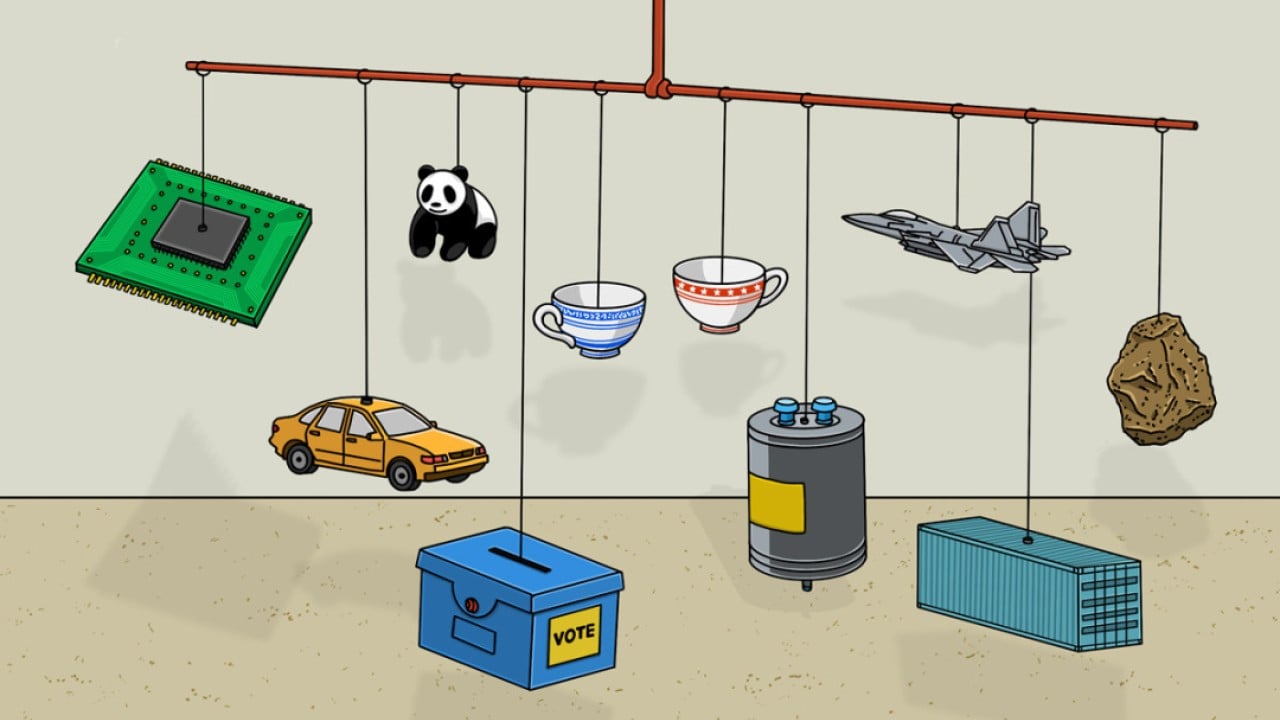
Washington and Beijing have recently adopted a surprisingly optimistic tone in diplomatic talks, marked by lighter rhetoric and high-level engagements that hint at a temporary stabilization of ties. During recent discussions discussed at recent high-level meetings, seasoned observers know that beneath the surface pleasantries, deep-seated tensions remain unresolved. While recent events have fostered a more relaxed atmosphere, the long-term future of their relationship still faces major structural hurdles as both nations navigate persistent economic and geopolitical competitions.
To truly understand the trajectory of modern diplomacy, one must examine the multifaceted layers of international engagement that define the current era. Over the past several decades, the relationship between Washington and Beijing has evolved through distinct phases of cooperation, friction, and strategic competition. Whenever diplomats gather for an official us china relations summit, the global community watches closely, hoping for breakthroughs on trade, security, and climate policy. However, the reality on the ground is often far more complex than the optimistic press releases suggest, as domestic political pressures and deeply entrenched geopolitical rivalries continue to shape the decisions made by leaders in both capitals.
A Noticeably Brighter Diplomatic Tone
The atmosphere surrounding recent diplomatic functions in the United States capital has felt remarkably different compared to previous years. Observers noted that recent celebrations, such as the Chinese National Day reception, featured an upbeat mood and notably relaxed exchanges. Even senior diplomatic figures leaned into self-deprecating humor, pointing to shared cultural symbols like panda diplomacy to lighten the room. This cheerful demeanor directly followed a high-profile state visit by Chinese leader Xi Jinping, who received a remarkably warm reception from President Donald Trump, establishing a brief window of cooperative optics.
Beyond the symbolic gestures and public handshakes, diplomatic channels have quietly worked to establish baseline communication protocols. These mechanisms are designed to prevent minor misunderstandings from escalating into major international crises. Historical precedent demonstrates that accidental clashes, whether in maritime zones or cyberspace, can rapidly derail months of careful diplomatic outreach. Consequently, officials on both sides emphasize the importance of maintaining open dialogue, even when fundamental disagreements on human rights, economic policies, and territorial claims remain completely unresolved.
Evaluating the Outcome of Every US China Relations Summit
When analysts look back at these diplomatic summits, they often point out that despite the smiles and cooperative photo opportunities, fundamental disagreements between the two superpowers have not disappeared. According to the original report, the current diplomatic thaw is more about managing optics than resolving core conflicts. Trade imbalances, technological competition, and geopolitical flashpoints continue to simmer just beneath the diplomatic surface, meaning that a sudden policy shift or unexpected crisis could quickly reverse the goodwill generated at recent summits.
Furthermore, the economic interdependence between the United States and China creates a paradoxical dynamic where financial stability requires cooperation, yet national security imperatives drive aggressive decoupling strategies. Supply chains built over decades cannot be dismantled overnight without severe economic repercussions for both nations and the broader global economy. As business leaders and investors try to decipher the mixed signals coming out of each major us china relations summit, corporate strategy remains paralyzed by regulatory uncertainty and the constant threat of new tariffs or export controls.
What Could Derail the Current Thaw
Diplomatic momentum is notoriously difficult to maintain when strategic competition is deeply entrenched. Past precedents show that economic measures, maritime disputes, or shifting domestic political pressures can easily disrupt fragile truces. While leaders on both sides have shown a willingness to engage directly to lower the temperature, domestic political imperatives in both Washington and Beijing could soon force a return to harder-line stances.
Nationalist sentiments and electoral cycles often compel politicians to project strength rather than compromise, turning routine policy disagreements into ideological battlegrounds. When leaders are perceived as being soft on their primary geopolitical rival, the political costs can be immense. This domestic reality ensures that any cooperative mood achieved during high-level meetings remains highly vulnerable to sudden shifts in public opinion or unexpected geopolitical shocks.
Ultimately, while the recent diplomatic outreach has successfully prevented immediate escalations, it should be viewed as a tactical pause rather than a permanent strategic realignment. As both nations navigate an increasingly complex global landscape, the true test of their relationship will lie in how they manage the inevitable disputes waiting just around the corner.
Related reading:
- China and Japan Hold High-Level Talks to Repair Strained Diplomatic Relations: china japan diplomatic ties talks
- Japan PM China policy address: Prime Minister Set to Address Relations with Beijing
- International Gas Union summit Hong Kong to Host Major Industry Event This October
