

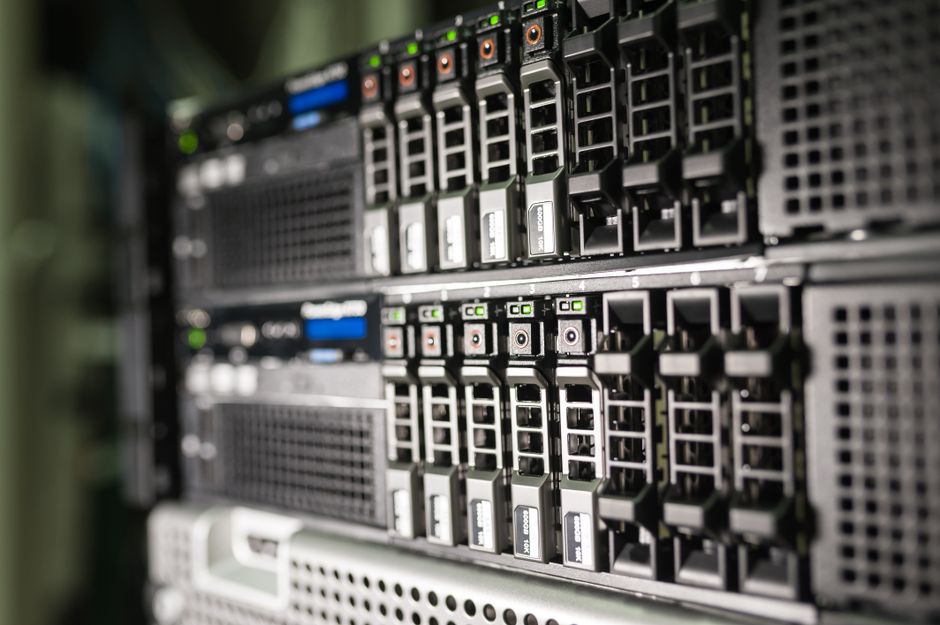
Global demand for artificial intelligence infrastructure has reached new heights. Lumentum Holdings, a major photonics manufacturer backed by tech giant Nvidia, has announced that Lumentum AI server parts sold out for the next several years, with order books packed solid all the way through 2029 as enterprise buyers rush to secure necessary hardware.
The Critical Engine Behind Modern Cloud Computing
At the center of this massive backlog are advanced indium phosphide devices. These specialized optical components play a vital role in enabling high-speed cloud computing and data transmission. As data centers race to handle the computational loads of modern machine learning systems, the hardware required to move data between processors without choking has become arguably the most crucial bottleneck in the entire tech supply chain.
The broader implications for the technology sector extend far beyond a simple delivery delay. Modern artificial intelligence hardware relies heavily on a complex ecosystem of specialized components, and a disruption in one specific tier can create cascading delays across entire data center deployment schedules. Cloud providers and enterprise clients often map out their infrastructure expansions years in advance, meaning that component shortages of this magnitude force organizations to fundamentally rethink their deployment timelines and hardware procurement strategies.
Anatomy of a Bottleneck
Building the specialized lasers and optical chips that Lumentum specializes in is an immensely delicate and complex manufacturing process. Unlike standard silicon chips, working with materials like indium phosphide requires precision cleanroom environments and highly specialized technical expertise. According to the original report, the high demand has easily outstripped current production capacities, leaving major cloud service providers and tech titans scrambling to secure their spots in line for future manufacturing batches.
Furthermore, scaling up production lines for advanced photonics cannot be accomplished overnight. Building new fabrication facilities requires substantial capital investment, lengthy regulatory approvals, and specialized machinery that is frequently subject to its own supply chain constraints. This structural rigidity in the manufacturing sector means that suppliers cannot simply pivot or ramp up output instantaneously to meet sudden market surges, locking the industry into extended periods of restricted supply.
What This Means for the AI Boom
The fact that a primary supplier is booked out for years offers a clear window into how long capital expenditure on artificial intelligence is projected to remain at historic highs. While hardware shortages routinely plague consumer electronics, a multi-year sellout in enterprise-grade optical components underscores that the underlying architecture of the AI revolution is still heavily constrained by physical manufacturing limits. Companies looking to expand their server fleets will have to plan significantly further ahead to secure the vital optical links that keep modern AI clusters running.
As the race to build bigger and smarter AI models continues unabated, component makers like Lumentum find themselves in a position of immense influence. Whether the industry can find ways to accelerate production or whether these extended wait times become the new normal for tech infrastructure remains one of the defining questions of the current hardware cycle. Ultimately, navigating this landscape will require unprecedented levels of collaboration between chip designers, component manufacturers, and the cloud hyperscalers driving the demand.
Related reading:
- Apple Eyes Potential Return to Server Market Using Nvidia Technology in New apple nvidia server market Strategy
- Japanese firm sold books to Anthropic: Nippan IPS Confirms Book Sales
- Hong Kong’s Proposed hong kong ai city brain Faces a Unique Linguistic Challenge
