

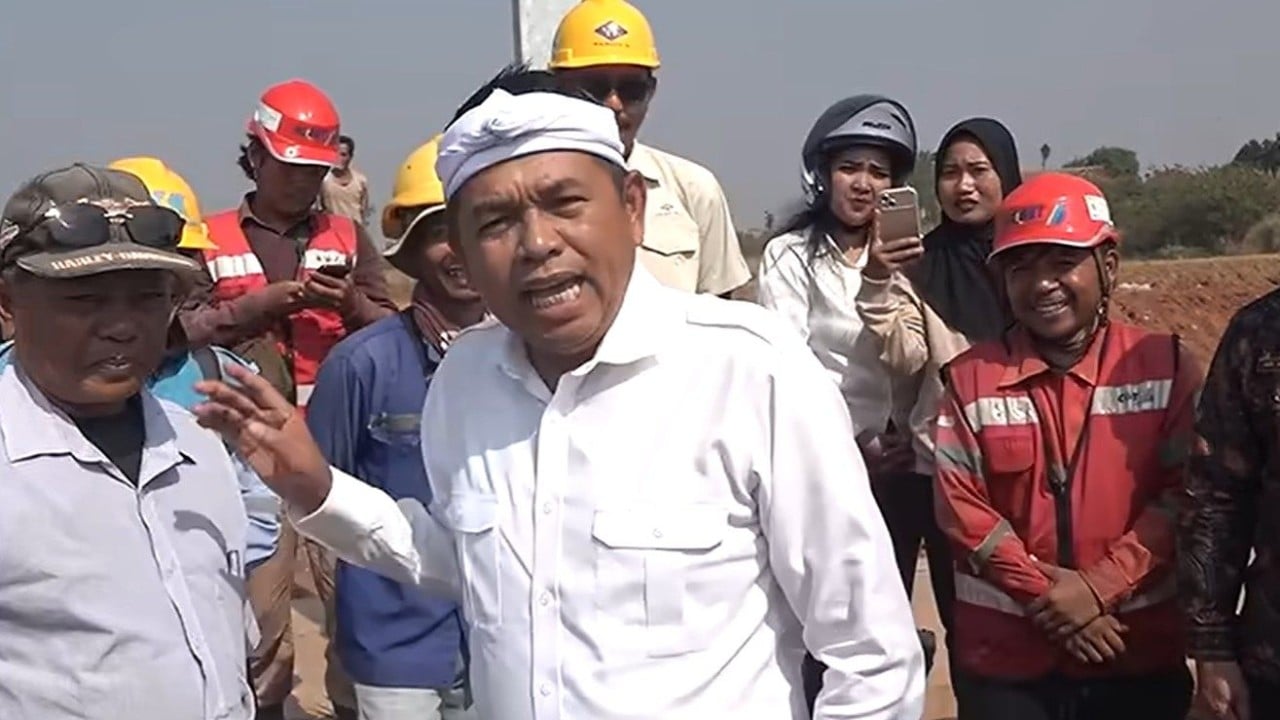
West Java Governor Dedi Mulyadi has turned routine local governance into a viral phenomenon, sparking intense speculation over a potential Dedi Mulyadi 2029 presidential run. While traditional power brokers solidify their national influence, savvy social media use is helping him build serious political influence across Indonesia.
The Rise of a Digital-Savvy Leader and the Dedi Mulyadi 2029 Presidential Run
Dressed in his signature white shirt and a traditional Sundanese headcloth, West Java Governor Dedi Mulyadi has cultivated a commanding online presence that routinely captivates millions. Whether he is overseeing grassroots projects or addressing rural communities, cameras track his every move, transforming routine governance into compelling digital content.
His background as a pragmatic regional administrator—spanning years of local leadership focused on cultural preservation, agricultural support, and bureaucratic efficiency—has helped build a brand that resonates far beyond his local constituency. Observers note that his administrative tenure laid the groundwork for what many supporters hope will evolve into a national campaign, making a Dedi Mulyadi 2029 presidential run a frequent topic of debate among political analysts and voters alike. Before rising to prominence on the national stage, Mulyadi built his reputation through hands-on municipal management, dealing directly with infrastructure deficits and economic stagnation in rural West Java.
Grassroots Initiatives and Populist Appeal
Mulyadi’s political brand goes far beyond social media algorithms; it is anchored in tangible, local action. Recently, near the barren slopes of Mount Wayang, the governor announced a major environmental initiative aimed at paying hundreds of local farmers to replant local forests, thereby protecting the vulnerable region from severe flooding. When speaking to the public, he often delivers memorable lines carefully tailored for the digital platforms broadcasting his work. As detailed in the original report, Mulyadi famously stated that he refuses to lead through fear or scarcity, framing his leadership around dignity and economic upliftment.
Polling data from regional institutes suggests that his populist messaging strikes a deep chord with working-class voters who feel disconnected from traditional political elites. Recent surveys indicate that his approval ratings remain high among rural demographics, though urban voters remain somewhat more cautious, often weighing his lack of traditional federal-level experience against his undeniable grassroots popularity. By addressing everyday economic pressures directly through both policy and viral videos, Mulyadi has managed to build a formidable coalition of digital followers and grassroots supporters.
Navigating the Path to 2029 and Regional Policy Comparisons
As Indonesia looks toward the horizon of the next presidential cycle, politicians are watching to see how regional popularity translates into national leverage. While current leaders like President Prabowo hold firmly established power and benefit from sprawling coalition networks, the unique blend of populist economic messaging and hyper-visible digital campaigning mastered by figures like Mulyadi introduces an unpredictable dynamic to future national elections.
Moreover, potential opposition figures and rival regional leaders are closely monitoring his strategy, attempting to replicate his direct-to-consumer digital communication model. Analysts point out that while traditional political parties rely heavily on entrenched party machinery, Mulyadi’s direct engagement with citizens via short-form video platforms bypasses traditional gatekeepers entirely. This structural shift in political communication could redefine how future campaigns are run in the world’s third-largest democracy.
Ultimately, whether this digital prominence will successfully translate into a viable challenge for the presidency remains one of the most closely watched storylines in contemporary Southeast Asian politics, testing whether viral fame can truly overcome traditional party infrastructure.
Related reading:
- Khyber Pakhtunkhwa Governor Hints at KP Governor Rule Emergency Amid Rising Security Concerns
- Brazil’s Presidential Race Shocks as brazil presidential election results lula Fall Behind in First Round
- Merz German state parliament election Delivers Major Regional Blowout for Conservatives
