

While public awareness around disability has grown significantly across Hong Kong in recent years, turning awareness into actual hiring has proven difficult. Despite shifting cultural attitudes, job seekers with disabilities continue to encounter heavy barriers as they try to break into the workforce, with economic pressures often overshadowing corporate social responsibility. Making this work requires real commitment from policymakers and businesses alike.
The Reality of a Tightening Job Market for Disability Inclusion in Hong Kong
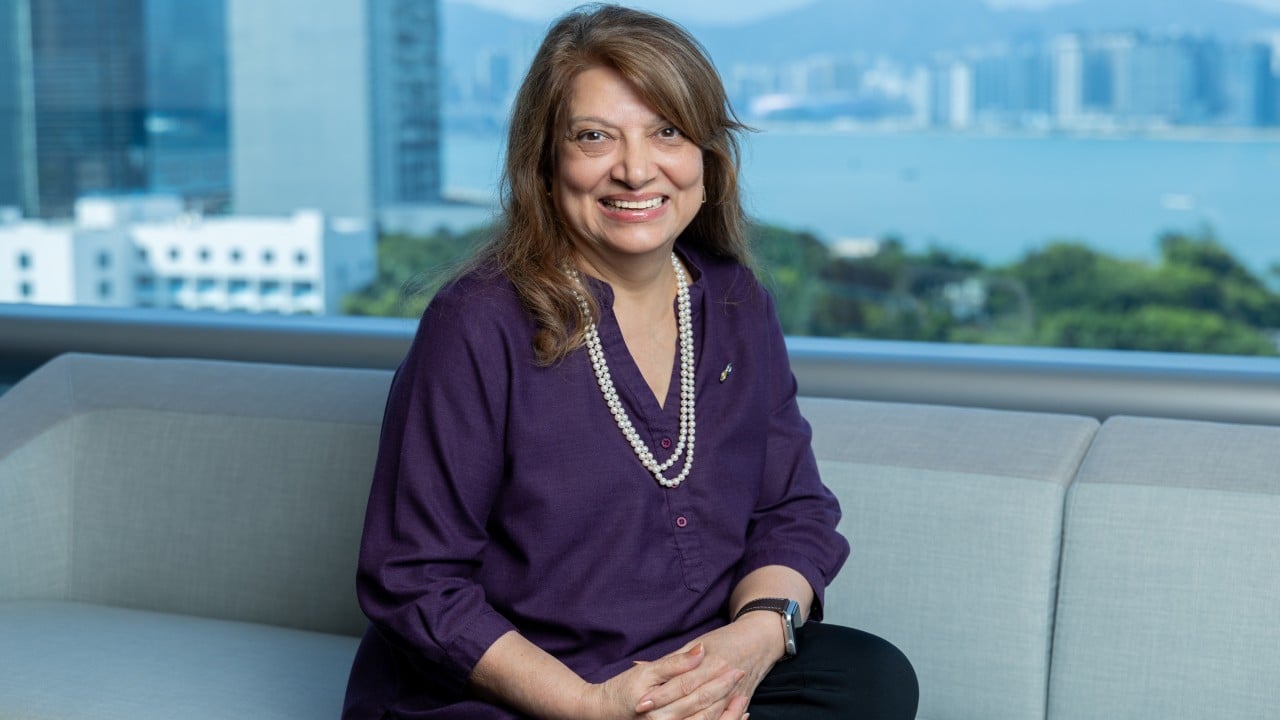
According to the original report, advocates point out that greater societal understanding has not automatically translated into more hiring opportunities. Faride Shroff, founder of the SENsational Foundation, notes that shrinking corporate budgets have made this next phase tough. A generally difficult economic climate has made it remarkably tricky to navigate for both employers and candidates striving to advance disability inclusion in Hong Kong.
Local advocacy groups have long stressed that the SAR’s unique economic landscape amplifies these pressures. Small and medium enterprises, which form the backbone of the local economy, often lack dedicated human resources personnel or the financial bandwidth to adapt physical workspaces and implement specialized training programs. Consequently, well-meaning employers frequently hesitate, fearing high costs or operational disruptions. Recent labor surveys indicate that over sixty percent of local SMEs cite financial constraints as the primary barrier to retrofitting offices for greater accessibility.
Furthermore, government-backed employment schemes often face administrative bottlenecks that discourage smaller businesses from participating. While the Labour Department offers various allowances for workplace modifications, the application processes can be cumbersome for firms operating on razor-thin margins. Streamlining these procedures remains a crucial step for local policymakers aiming to bolster long-term employment rates.
Beyond the Hires: The Need for True Workplace Support
Bringing a candidate on board is only the very first step of the journey. Experts emphasize that sustainable employment requires organizations to provide ongoing guidance, thoughtfully arranged workplace modifications, and job roles that genuinely align with an individual’s distinct strengths rather than offering tokenistic placements.
Furthermore, mentorship programs and disability awareness training for existing staff members are critical components that cannot be overlooked. When teams are equipped with the right communication skills and an open mindset, the entire office culture transforms, paving the way for long-term retention rather than high turnover rates among vulnerable worker populations. Companies that successfully prioritize disability inclusion in Hong Kong often report higher overall employee satisfaction and a more collaborative workplace culture.
Fostering Real Belonging and Inclusion
True inclusion means more than just ticking corporate diversity boxes. It requires an active cultural shift within companies to ensure that every employee feels valued and integrated. Without deliberate structural support and a welcoming environment, initial hiring efforts can easily fall short of creating long-term career growth.
Industry leaders argue that Hong Kong corporations must start viewing accessibility not as a charitable endeavor or a compliance chore, but as a core business driver. Diverse teams bring unique problem-solving capabilities, innovative perspectives, and a deeper understanding of diverse consumer segments, all of which are invaluable in a competitive global marketplace.
As Hong Kong businesses grapple with ongoing economic headwinds, advocates like Shroff hope companies will look past immediate budget constraints to recognize the untapped potential that workers with disabilities bring to the table. Cultivating a truly inclusive corporate ecosystem ultimately strengthens the entire community, proving that social responsibility and economic resilience can go hand in hand.
Related reading:
- Spirit of Hong Kong Awards explorer Brings Climate Reality to Students Through Alpine Field Trips
- Hong Kong’s Proposed hong kong ai city brain Faces a Unique Linguistic Challenge
- Hong Kong Police Girl Beer Bags Incident Sparks Outrage
