

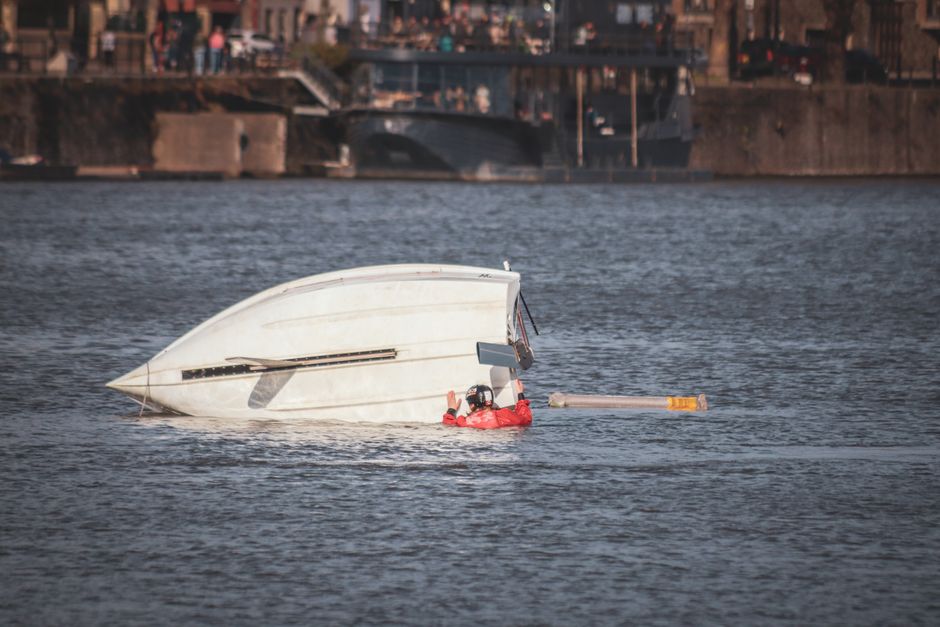
A devastating maritime disaster has claimed the lives of at least 139 migrants, including young children, after a vessel carrying them capsized off the coast of Djibouti. This tragic incident highlights the extreme dangers faced by individuals undertaking risky journeys across dangerous waters in search of safety and stability. This horrific event has sent shockwaves through international humanitarian organizations and local communities alike as emergency response teams continue to evaluate the full scale of the catastrophe.
A Perilous Maritime Route: When a Boat Capsizes on the Djibouti-Yemen Route
The victims were aboard a boat that set off from Djibouti with the intention of reaching the shores of Yemen. This specific maritime corridor is heavily utilized by individuals fleeing conflict, economic hardship, and instability in the Horn of Africa. Many hope to transit through the Arabian Peninsula in search of employment opportunities, unaware of the extreme dangers that await them on the open water. The Horn of Africa migration crisis remains one of the most complex and underreported humanitarian emergencies in the world today, driven by relentless political instability, severe climate shocks, and generalized lack of economic prospects.
For years, desperate individuals from countries such as Ethiopia, Somalia, and other regional states have traversed treacherous paths across land and sea. Smugglers exploit this desperation, charging exorbitant fees for passage on unseaworthy vessels. The Eastern Route, as it is formally known by migration agencies, sees hundreds of thousands of movements annually. Despite repeated warnings from international bodies, the flow of people willing to risk everything remains unabated, fueled by the absence of viable legal pathways and sustainable local livelihoods.
United Nations Agency Confirms the Toll
According to the original report, international monitors and relief organizations have confirmed the mounting death toll as search and recovery efforts continue. The grim tally underscores the vulnerabilities of those who place their lives in the hands of unregulated smugglers operating along these volatile coastlines. Representatives from the International Organization for Migration (IOM) and the United Nations High Commissioner for Refugees (UNHCR) have repeatedly pointed out that safety regulations are routinely ignored by operators who prioritize profit over human lives.
Survivors of previous similar disasters have recounted harrowing tales of overcrowding, lack of fresh water, and physical abuse at the hands of traffickers. When boats encounter rough seas or mechanical failures—which happen frequently given the dilapidated state of the watercraft—passengers have virtually no chance of survival. The lack of active, coordinated state-led rescue patrols in certain stretches of the Red Sea and the Gulf of Aden further compounds the lethality of these crossings.
The Broader Humanitarian Crisis
Incidents of this magnitude bring renewed global attention to the desperate measures migrants are forced to take when pushed to the brink. Humanitarian groups repeatedly warn about the substandard conditions of vessels used in these crossings, which are frequently overcrowded and ill-equipped for rough sea conditions, leading to catastrophic outcomes. The systemic nature of the migration crisis means that sporadic rescue operations or temporary relief funding are insufficient to address the root causes.
Experts argue that comprehensive regional strategies are urgently needed. These strategies must involve robust economic support for countries of origin, improved legal migration channels, and aggressive law enforcement operations targeting transnational smuggling networks. Without addressing the underlying push factors—such as localized conflicts, acute poverty, and environmental degradation—people will continue to view dangerous sea journeys as their only viable escape.
Ongoing Search and Relief Efforts
Local authorities and rescue teams have been working tirelessly to recover victims and support survivors following the disaster. As investigations into the precise circumstances of the capsizing unfold, international advocates continue to call for enhanced safety measures and greater support for displaced populations in the region. Medical teams and psychological counselors have also been deployed to assist the traumatized survivors who managed to make it ashore or were pulled from the water.
The tragedy serves as a solemn reminder of the human cost tied to migration routes in East Africa and the Middle East, leaving communities and families mourning lives lost far too soon. Governments and international bodies face mounting pressure to translate expressions of sympathy into concrete policy changes that can prevent future loss of life on the high seas.
Related reading:
- Tragedy at the Kasur Border: Indian BSF firing Kasur border Claims Two Lives
- Indonesia Ferry Capsized Missing: Tragic Disaster Leaves Dozens Dead and Over 100
- Teen Boy Rescued Alaska: 15-Year-Old Survives Days Adrift After Boat Capsizes

2 comments
[…] Tragedy Off the Coast of Djibouti: djibouti to yemen boat capsizes Claims Over 139 Lives […]
[…] Tragedy Off the Coast of Djibouti: djibouti to yemen boat capsizes Claims Over 139 Lives […]