

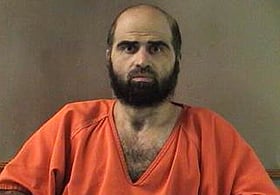
Donald Trump has clarified that the upcoming Fort Hood shooter Hasan execution will not be streamed live. The high-profile legal case, which stems from a tragic mass shooting at a military installation, continues to draw intense national attention as questions surrounding the method and visibility of the execution are addressed by leadership. Families of victims, legal experts, and the broader public are closely monitoring how the final stages of this historic case will unfold behind closed doors.
Clarifying the Details of the Capital Punishment
As discussions around the legal proceedings continue to unfold, public interest has surged regarding how the sentence will be carried out. While various rumors and speculations have circulated across digital platforms concerning the logistical arrangements, recent statements have firmly established boundaries regarding media access. Details regarding the event can be reviewed directly in the original report, outlining the official stance on transparency versus privacy for such a solemn proceeding.
In addition to questions about media streaming, analysts have pointed out the unique nature of military capital punishment in the modern era. Unlike civilian trials that often receive extensive televised coverage, military justice operates under a distinct set of regulations and traditions. This distinction has fueled ongoing debates among constitutional scholars and media organizations regarding the public’s right to witness significant historic events versus the state’s obligation to maintain security, order, and solemnity.
The History of the Fort Hood Tragedy
The case dates back to one of the most devastating mass shootings on an American military base. Nidal Hasan, then a U.S. Army major and psychiatrist, opened fire at the Fort Hood installation in Texas, resulting in the deaths of numerous service members and civilians, while wounding dozens of others. The aftermath led to a lengthy court-martial process, a conviction on multiple counts of premeditated murder and attempted premeditation, and a subsequent sentence of death.
Years of appeals followed the initial verdict, moving through various military appellate courts and drawing scrutiny from both defense advocates and victims’ rights groups. Throughout these prolonged legal battles, the core facts of the devastating attack remained undisputed, even as attorneys debated technical aspects of military law, mental health evaluations, and the appropriateness of capital punishment within the armed forces.
Debating Transparency in Capital Cases
The decision to keep the execution private has reignited broader conversations about public access to capital punishment in the modern digital age. With modern streaming capabilities allowing events to be broadcast globally in real-time, authorities face unique dilemmas regarding voyeurism, security, and the dignity of the judicial process. By blocking a public broadcast, officials are sticking to traditional protocols that limit execution viewing to authorized personnel and select witnesses.
Furthermore, civil rights advocates and transparency watchdogs argue that public oversight is a crucial component of justice, suggesting that total privacy can sometimes shield institutional processes from necessary public scrutiny. Conversely, supporters of closed-door executions contend that restricting access prevents sensationalism and respects the gravity of taking a human life, ensuring that the punishment remains a solemn act of justice rather than a piece of mass entertainment.
Understanding the Fort Hood shooter Hasan execution Protocols
As the legal and logistical preparations move forward, the focus remains on the finality of the judicial system and the closure owed to the victims and families affected by the tragedy. While the debate over public visibility may linger, the operational boundaries for the execution are firmly set, ensuring that the process adheres strictly to established military guidelines and legal precedents.
Ultimately, this case serves as a major touchstone in contemporary discussions about military justice, media ethics, and the evolving boundaries of public information. As authorities finalize the remaining administrative details, the legacy of the Fort Hood tragedy will continue to influence how similar high-profile military cases are handled in the future.
Related reading:
- Trump Clears Fort Hood shooter firing squad Execution for Nidal Hasan
- Why Public Servants Confidential Information Rules Are More Crucial Than Ever
- Fort Hood shooter execution firing squad Scheduled: Military Justice Milestone
