

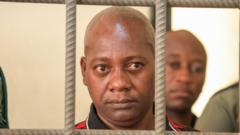
Kenya is set to deliver a crucial verdict for cult leader Paul Mackenzie following the horrific Shakahola forest starvation massacre. This high-profile legal proceeding is reaching a critical juncture in Kenya, where a controversial religious leader stands accused of orchestrating mass starvation. As the legal system prepares to hand down the Paul Mackenzie Kenya verdict, the case has drawn intense international scrutiny, shedding light on the dangerous influence extremist groups can hold over vulnerable populations and leaving citizens demanding absolute accountability from the justice system.
The Allegations Behind the Shakahola Tragedy
The accusations center on religious leader Paul Mackenzie, who allegedly convinced followers to starve themselves and their children to achieve spiritual salvation. Investigators revealed that the latest victims were reportedly lured to their deaths through instructions written from behind bars, according to the original report detailing the prosecutor’s findings. Survivors and former associates have come forward with harrowing accounts of coercion, isolation, and psychological manipulation within the remote forest encampment, painting a grim picture of how the group operated undetected for months before authorities finally intervened.
Forensic teams and investigators have spent an extensive amount of time unearthing mass graves across the sprawling Shakahola property, uncovering remains that confirm the staggering death toll among both adults and children. The sheer methodical nature of the starvation strategy shocked seasoned investigators, many of whom noted that followers were subjected to extreme deprivations under the guise of religious devotion. Court documents outline how the cult utilized armed enforcers to prevent members from escaping or seeking food once the fatal fasting protocols were initiated.
Legal Proceedings and Public Reaction
As the court prepares to deliver its verdict, communities across the nation are grappling with trial developments and the sheer scale of the tragedy. Legal teams have spent months presenting evidence, including expert testimonies, digital communications, and recovered documents, highlighting how the cult maintained control over its members even while its leader was detained. The proceedings have tested the limits of the Kenyan judicial framework, requiring specialized panels of judges to manage voluminous evidentiary records and multiple co-accused individuals who shared leadership responsibilities within the deadly movement.
Public galleries have remained packed throughout the trial, with grieving relatives and civil rights activists closely monitoring every legal maneuver. Protests outside the courthouse have regularly called for maximum sentences, reflecting a broader societal outrage that such exploitation could occur unchecked. Defense lawyers have attempted to contest the admissibility of certain electronic evidence and witness testimonies, but prosecutors maintain that the paper and digital trail left behind by the leadership is comprehensive and insurmountable.
Analyzing the Paul Mackenzie Kenya verdict and Legal Precedents
The impending judgment represents a watershed moment for Kenyan jurisprudence, particularly in how courts handle systematic human rights violations perpetrated under the cloak of religious freedom. Legal scholars have extensively debated the nuances of the charges, which range from terrorism and manslaughter to aiding suicide and organized crime. A conviction on all counts would establish a powerful legal deterrent against fringe groups attempting to bypass national laws by exploiting spiritual vulnerabilities.
Furthermore, human rights organizations have used this trial to advocate for better victim support structures, noting that survivors require long-term psychological rehabilitation, financial assistance, and secure housing to reintegrate into society. The emotional scars left by the Shakahola tragedy extend far beyond the immediate families, touching the collective conscience of the nation and prompting a fundamental reevaluation of community vigilance and emergency response protocols.
Broader Implications for Religious Oversight
The tragedy has forced Kenyan lawmakers to push for stricter oversight of unregistered churches. The harrowing events have sparked urgent national debates regarding the regulation of religious institutions in East Africa, where freedom of worship is constitutionally protected but rarely subjected to institutional transparency. Lawmakers and civil society groups are actively pushing for stricter monitoring of unregistered churches and fringe spiritual movements to prevent similar tragedies from occurring in the future, proposing mandatory financial audits, registration renewals, and background checks for self-proclaimed prophets and religious leaders.
Religious councils have largely welcomed these legislative proposals, emphasizing that legitimate faiths have nothing to hide and that bad actors must be systematically weeded out to protect the public. The debate has also drawn attention from international human rights bodies, which are monitoring Kenya’s regulatory reforms as a potential model for neighboring nations grappling with similar extremist cult phenomena.
With the judicial decision imminent, families of the victims and the broader public wait anxiously for closure and accountability, hoping this milestone case will set a definitive precedent against extremist exploitation. The aftermath of this trial will undoubtedly shape East African legal and social policies for decades to come, serving as a permanent reminder of the vital balance between protecting religious freedoms and safeguarding human life from predatory ideologies.
Related reading:
- Ex-DUP Leader Jeffrey Donaldson Receives 15-Year Prison Term for Historical Child Sex Abuse
- Kenya Second Ebola Case Confirmed Following Relative’s Infection
- U.S. Court Charges Venezuelan Leader With Directing Torture Against Citizens and Americans as venezuela maduro charged u s torture case unfolds
