

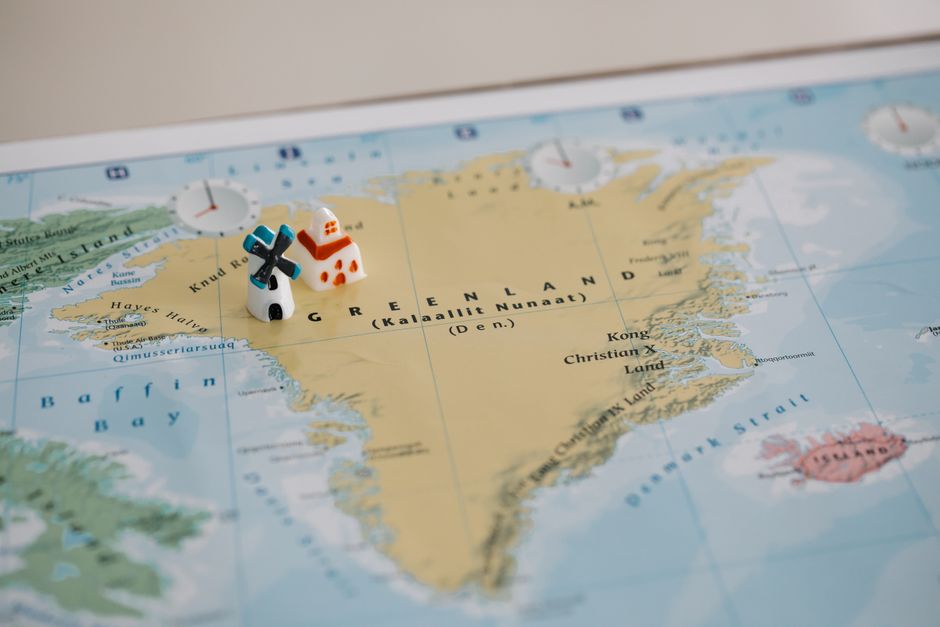
Decades after a systematic public health initiative stripped thousands of women and girls of their bodily autonomy, a dark chapter of Arctic history is finally coming to light. Between the 1960s and 1990s, the Danish state implemented a birth-control campaign in Greenland that involved fitting thousands of Inuit females with intrauterine devices—commonly known as IUDs or ‘spirals’—frequently without their consent or knowledge. As survivors step forward to demand accountability, governments and international observers are forced to re-examine the lasting impacts of historic colonial policies. This dark legacy of denmark forced contraception greenland iud remains a deeply painful memory for those affected.
The Origins of the ‘Spiral Campaign’ and denmark forced contraception greenland iud
During the mid-20th century, Greenland transitioned from being a colony to an integrated part of the Danish realm. As modernization efforts accelerated, Danish authorities grew concerned over rapid population growth and shifting demographic trends on the island. To curb birth rates, officials launched a sweeping reproductive health directive. Medical professionals targeted not only adult women but also young girls, many of whom were fitted with IUDs during routine school health examinations. These procedures were frequently performed without the consent of the individuals or their parents, leaving many victims with physical trauma and psychological scars that persisted for decades.
Historical documents and administrative records show that the initiative was scaled up rapidly across different settlements. Local clinics were given quotas or strong incentives to reduce birth rates, shifting the focus from individual healthcare needs to a broader demographic engineering project. Nurses and visiting doctors often traveled from settlement to settlement, performing insertions with little regard for follow-up care, cultural barriers, or informed consent. For many young girls, these interventions marked the beginning of lifelong health complications, including chronic pain, infections, and infertility, which went unacknowledged by the medical establishment for generations.
Shedding Light on Human Rights Violations
For many years, the voices of the affected women were largely ignored by the mainstream public, categorized as a distant administrative detail rather than a human rights crisis. However, investigative reporting, archival research, and the courageous testimonies of survivors have brought the scale of the campaign into sharp focus. According to the original report, the initiative was driven by a deliberate state strategy to exert control over the population of Greenland. Legal experts and advocates argue that these actions violated fundamental international principles regarding bodily integrity and amounted to severe violations of human rights.
As independent investigators dug deeper into government archives, they uncovered memos detailing official anxiety over Greenland’s growing indigenous population and the perceived economic burden this presented to the Danish state. The deliberate targeting of minors added an extra layer of gravity to the findings, framing the campaign not merely as a flawed public health intervention, but as a systemic abuse of power against a vulnerable population under colonial rule.
Apologies, Compensation, and Ongoing Debates
In response to mounting pressure and official inquiries, the Danish government has formally acknowledged the wrongdoing and issued an apology to the victims, alongside approved financial compensation packages. Yet, for many survivors and their families, money and formal apologies are only the first step. The revelations have ignited broader conversations regarding systemic discrimination, indigenous rights, and the wider definition of historical injustices, including whether the campaign constitutes acts of cultural erasure or genocide.
Legal representatives for the victims continue to push for broader institutional accountability, pointing out that financial payouts alone cannot fully mend the social fabric torn apart by decades of state-sponsored reproductive control. Community healing initiatives, culturally sensitive psychological support, and transparent public education are critical components demanded by activists to ensure such violations are never repeated.
As Denmark and Greenland work through this painful history, the ‘Spiral Campaign’ highlights the enduring damage caused by colonial rule. Ensuring that survivors receive justice remains a vital milestone in repairing relations between the two nations.
Related reading:
- US Iran Naval Blockade Ships Diverted as 135 Vessels Forced to Turn Around
- US Expands US military bases in Greenland to Counter Arctic Rivalry
- Woman Rescued Forced Marriage Pakistan: A Harrowing Ordeal of Deception
