

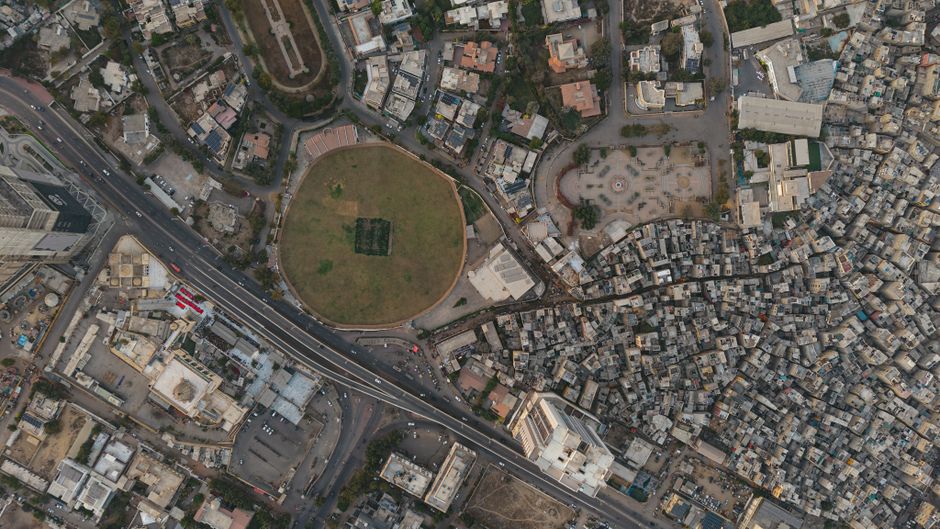
The ongoing conversation surrounding whether Pakistan’s largest urban center, Karachi, should be carved out as an independent province from Sindh remains one of the nation’s most deeply entrenched political debates. At the core of this karachi separate province debate are sharply contrasting views on representation, regional identity, and local governance that have persisted for decades.
The Political Divide in the Karachi Separate Province Debate: PPP Versus Mohajir Parties
On one side of the political spectrum, the Pakistan Peoples Party (PPP) maintains that Karachi is fundamentally intertwined with the cultural and economic identity of Sindh. Conversely, political factions representing the Urdu-speaking Mohajir community argue that the metropolis suffers from institutional neglect because it lacks a Sindhi-majority demographic at the provincial level. Parties like the Muttahida Qaumi Movement (MQM), along with other political groups, have historically pushed for either complete provincial autonomy for the city or direct federal administration to spur local development.
Historically, the administrative status of Karachi has shifted multiple times since Pakistan’s independence in 1947. In its early years as the federal capital, the city experienced rapid economic growth and infrastructural prioritization under central government oversight. However, as the capital relocated first to Rawalpindi and later to Islamabad, Karachi’s direct line to national resources diminished. Over the subsequent decades, waves of internal migration transformed the city into a vibrant yet politically fractured megacity, setting the stage for recurring demands for administrative restructuring.
Economically, Karachi serves as the financial powerhouse of Pakistan, generating a disproportionately large share of the nation’s federal tax revenues and housing its primary stock exchange, deep-water ports, and industrial zones. Proponents of administrative division argue that the city’s vast economic output is stifled by provincial tax policies and bureaucratic inertia rooted in provincial capitals far removed from urban realities. They contend that establishing a separate administrative unit would allow municipal authorities to retain local revenues, reinvest directly in mass transit, water desalination, and electricity grids, and resolve long-standing civic crises.
Looking Beyond the Binary Narrative
While mainstream political commentary often frames this tension as a simple bilateral friction between Sindhis and Mohajirs, a closer look reveals a much more complex demographic landscape. As detailed in the original report, reducing the issue to just two groups ignores the millions of non-Mohajir residents who call the city home. Communities with roots in other regions make up a massive portion of the urban population.
Demographics and Resistance to Division
Karachi’s expansive population includes large numbers of Pakhtun, Punjabi, Baloch, and Sindhi citizens who live and work alongside the Mohajir community. These diverse groups hold their own historical experiences and regional ties, meaning that any administrative push to separate the city from Sindh would encounter widespread and formidable opposition extending far beyond any single political party or ethnic group.
Furthermore, critics of partition warn that drawing new internal provincial boundaries along ethnic or linguistic lines could trigger dangerous copycat movements across other volatile regions of the country. They argue that strengthening local government bodies through structural devolution—such as empowering municipal mayors with genuine financial autonomy under existing constitutional frameworks—is a safer and more cohesive path forward than attempting to redraw provincial maps.
As Pakistan’s political landscape continues to evolve, the future governance of Karachi remains a sensitive touchpoint. Balancing the developmental needs of a booming metropolis with the complex web of regional identities will require careful dialogue and inclusive policymaking from all levels of government.
Related reading:
- Pakistan New Provinces Debate Intensifies Amid Calls for Administrative Overhaul
- Pakistan Warns India Over Indus Waters Treaty Dispute
- Maj Gen Faisal Naseer Nacta Takes Over Amid Security Challenges

1 comment
[…] The Enduring Karachi Separate Province Debate in Pakistan […]