

Multilingual parenting has immense benefits, but managing two or more languages daily can test any parent’s patience. Juggling multiple vocabularies, managing community expectations, and worrying about language dominance often lead to unnecessary stress. Fortunately, leading language specialists offer advice that is wonderfully reassuring in its simplicity: focus on connection, shared experiences, and enjoyment rather than rigid linguistic drills. For families committed to raising bilingual children, the daily routine does not need to feel like an academic boot camp or a source of continuous anxiety.
Keep It Simple and Stress-Free When Raising Bilingual Children
One of the most common pitfalls for multilingual parents is turning language acquisition into a chore. Experts emphasize that children learn best through natural, emotional connections rather than structured lessons at the kitchen table. When parents prioritize warmth and genuine conversation over correcting grammar mistakes in real-time, children develop a positive association with each language. According to the original report, the core strategy boils down to three straightforward pillars: reading together, building a supportive social circle, and having fun. Parents often make the mistake of overcomplicating the process by enforcing strict household language rules that can backfire, causing kids to resist speaking the minority language altogether. Instead, keeping the atmosphere relaxed encourages organic communication and long-term retention.
Make Reading a Daily Habit
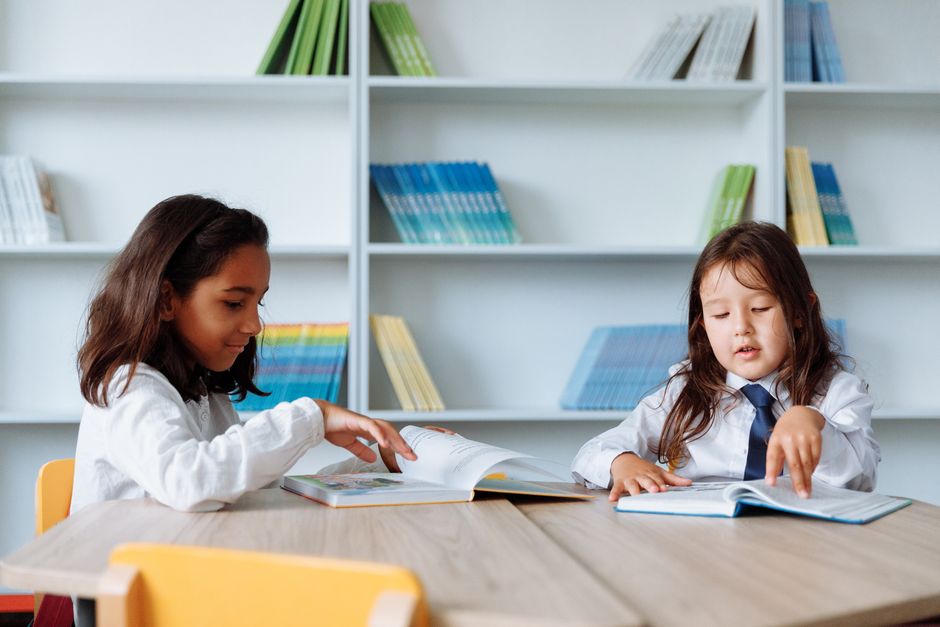
Books are powerful tools for expanding a child’s vocabulary and imagination in any language. Setting aside time every day to read together introduces kids to richer sentence structures and diverse cultural narratives they might not encounter in everyday spoken conversation. Whether it is a bedtime story in the minority language or a midday picture book in the dominant local tongue, regular reading builds a strong foundation for lifelong literacy and comprehension. Furthermore, listening to audiobooks or storytelling podcasts in the target language can give parents a much-needed break while maintaining consistent auditory input for the kids. Diversifying media sources ensures that children hear different accents, pronunciations, and vocabulary sets beyond just their parents’ voices.
Build a Supportive Community
Language learning does not happen in a vacuum. Children need to see that the languages spoken at home have value in the wider world. Connecting with other multilingual families, joining local cultural groups, or arranging playdates where a specific language is spoken can work wonders. When kids realize that their peers also speak or understand their heritage language, it transforms from something unique to their household into a cool, shared social tool. Organizing language-exchange playdates or enrolling children in weekend heritage language schools also reinforces the idea that their bilingual identity is shared by a broader community of peers, reducing any feelings of isolation.
Prioritize Fun Above All Else
Ultimately, the success of a multilingual household rests on positive reinforcement and play. Board games, music, cooking projects, and imaginative games conducted in the target language create natural opportunities for communication. When children associate a language with laughter and joyful memories, they naturally want to use it more often. Introducing favorite cartoons, family-friendly movies, or video games in the target language can also bridge the gap between entertainment and education. By making the language feel relevant to their modern interests, children engage with it willingly rather than out of a sense of obligation.
Navigating parenthood across multiple languages is a journey filled with unique rewards. By leaning into simple daily habits like reading, community building, and play, families can foster lasting linguistic skills without the burnout. By letting go of perfection and focusing on shared happiness, families can build lasting fluency.
Related reading:
- Tragic india firecracker factory blast Claims Eleven Lives, Including Eight Children
- US Diplomats Return West Asia: Embassies Welcome Back Staff and Families
- Virginia Elementary School Shooting Leaves One Adult Injured, Children Safe
