

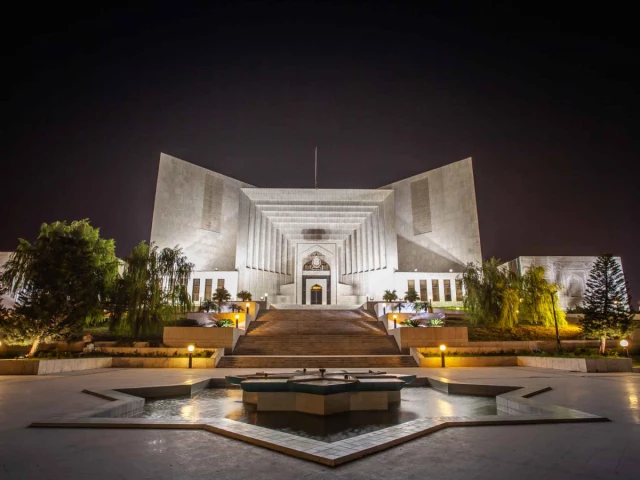
The legal battles surrounding former Pakistani Prime Minister Imran Khan have taken a new procedural turn in what is now widely known as the Imran Khan hospital transfer case. The Supreme Court of Pakistan has officially requested the assistance of the Attorney General for Pakistan (AGP) to resolve complex legal questions regarding overlapping judicial jurisdictions in a high-profile petition concerning Khan’s medical care and potential hospital transfer. As the nation watches closely, this ongoing saga continues to highlight the intricate intersection of politics, judicial authority, and prisoners’ rights within the country’s legal framework, setting a potentially massive precedent for how high-stakes political detentions and associated health concerns are managed by the judiciary.
Navigating the Imran Khan Hospital Transfer Case: The Core Jurisdictional Dilemma
At the heart of the ongoing proceedings is a fundamental question of court authority and parallel litigation. The central legal complication revolves around whether multiple high-level judicial bodies can simultaneously entertain petitions addressing the exact same subject matter. According to the original report, the Attorney General raised significant concerns during the hearing, pointing out that two superior courts cannot properly exercise jurisdiction over the same matter at the same time without creating procedural chaos.
Legal analysts have pointed out that this jurisdictional overlap poses unique challenges for the Pakistani judicial system. When multiple courts issue divergent directives or entertain overlapping motions, it can lead to conflicting legal interpretations, administrative delays, and an overall strain on the judicial apparatus. The Supreme Court’s decision to step in and seek definitive guidance from the Attorney General reflects a desire to streamline these efforts and re-establish a clear, orderly hierarchy for handling multifaceted legal challenges brought forth by prominent political figures and their respective defense teams.
Medical Care and Legal Wrangling
The dispute originated from petitions seeking specialized medical attention and a transfer out of standard detention facilities for the imprisoned political leader. As Khan’s legal team pursues various avenues to ensure adequate healthcare access, the state’s legal representatives have pushed back against what they view as a fragmented approach to litigation. The involvement of the Attorney General is expected to establish a clear precedent on how similar multi-court challenges should be managed moving forward.
Adequate medical care for detainees is a cornerstone of fundamental human rights as well as domestic constitutional guarantees. However, the logistics of providing specialized healthcare to a high-profile political prisoner while maintaining secure detention conditions have continually sparked intense debate. Defense attorneys argue that independent medical evaluations and specialized hospital care are urgent necessities given Khan’s age and health status, whereas state prosecutors maintain that existing prison medical facilities are fully equipped to handle routine and specialized checkups under appropriate security protocols.
Next Steps in the Supreme Court
By bringing the office of the Attorney General into the deliberations, the Supreme Court aims to receive an impartial, authoritative interpretation of constitutional and procedural law. The AGP’s upcoming submissions will likely dictate whether the current petitions can move forward in their present form or if the defense must streamline their legal filings into a single, appropriate judicial forum.
Furthermore, this intervention could ultimately redefine the procedural boundaries for future petitions filed by political detainees seeking medical relief or transfers. Observers and legal experts are keenly awaiting the AGP’s detailed brief, which is expected to address not only the specific nuances of the current litigation but also broader systemic reforms required to prevent parallel court actions from overwhelming the upper echelons of Pakistan’s judiciary.
As this high-stakes case continues to unfold, all eyes remain on the nation’s highest court to see how it navigates the delicate balance between safeguarding prisoner rights and maintaining orderly judicial administration.
Related reading:
- Supreme Court Rejects Early Hearing in Imran Khan Hospital Case
- Islamabad High Court Rules Against Isolation for Imran Khan and Bushra Bibi in Adiala Jail in Landmark Imran Khan Adiala Jail isolation ruling
- Pakistan Rejects Claims of Denying Imran Khan sons visa Pakistan
