

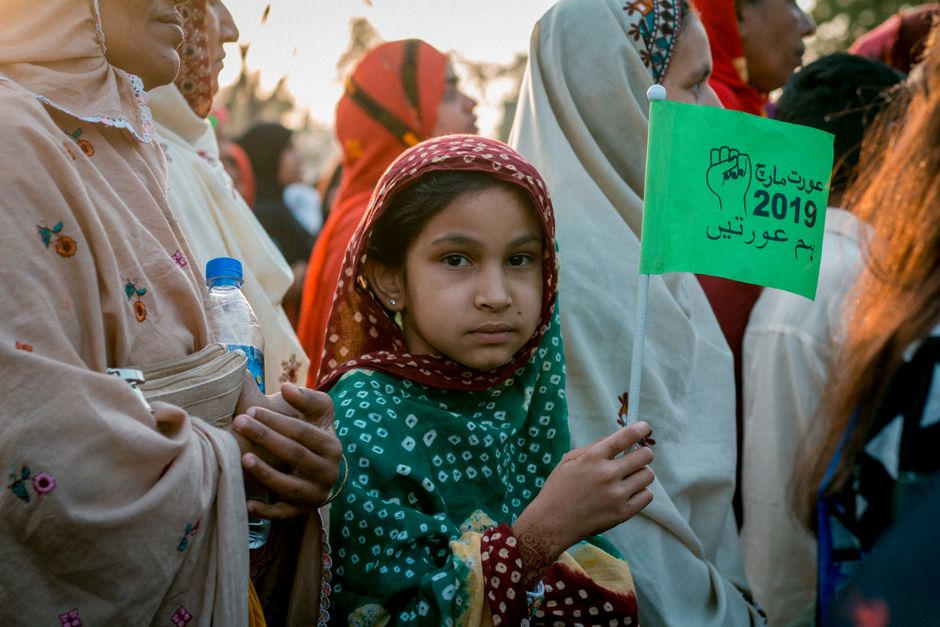
Pakistan has been placed third-to-last globally in the World Economic Forum’s latest gender parity index, according to the original report. The findings detailed in the WEF Global Gender Gap Report 2026 Pakistan highlight that despite ranking near the bottom among the 38 lower-middle-income economies and seven South Asian nations evaluated, the country has achieved its strongest year-on-year improvement in a decade.
Measuring Global Parity Across Key Sectors
The annual assessment evaluates the state of gender equality by looking at four critical dimensions: economic participation and opportunity, educational attainment, health and survival, and political empowerment. While the nation continues to struggle with overall parity, data shows a cumulative increase of 5.2 percentage points since 2006, bringing its current gender parity score to 59.5 percent.
Experts analyzing the broader regional metrics note that South Asia as a whole faces persistent structural barriers, yet individual country trajectories vary significantly. Pakistan’s incremental gains, while starting from a very low baseline, demonstrate that targeted policy interventions in specific sectors can yield measurable improvements over time. International economists and labor market researchers continue to monitor these metrics closely to understand the shifting dynamics of workforce integration across developing South Asian economies.
Slow Progress in Economic Participation
Significant disparities remain clearly visible across the national workforce. Pakistan ranked 144th in economic participation and opportunity, marking a minor improvement of three spots from the previous year. Labor force participation rates highlight a stark divide, with 81.46 percent of men participating compared to just 28.21 percent of women. Furthermore, upper-level management positions remain heavily male-dominated, with nearly 94 percent of legislators, senior officials, and managers identified as men.
Economists point out that structural hurdles in the corporate and public sectors severely limit female career progression. Access to formal banking, reliable public transportation, and secure childcare facilities remain primary obstacles for women seeking to enter or remain in the workforce. Without comprehensive reforms addressing these foundational constraints, bridging the economic divide will remain a protracted challenge for policymakers.
Educational Gains Drive Annual Improvement in the WEF Global Gender Gap Report 2026 Pakistan
The primary driver behind the country’s recent upward movement is a notable surge in educational attainment. Analysts point to significant strides in schooling access as the foundation for the strongest annual progress recorded in ten years. Although severe structural imbalances persist across labor and leadership sectors, expanding educational opportunities for younger generations helps close the gap for future generations.
Investments in primary and secondary schooling enrollment have yielded higher literacy rates among younger demographics, slowly altering the baseline demographics of the incoming labor pool. Local educational boards and provincial governments have launched several targeted enrollment campaigns, particularly in rural districts where gender disparities in schooling have historically been most pronounced. However, retention rates past the secondary level continue to drop sharply due to economic pressures and cultural norms, requiring sustained financial commitments from both federal and provincial authorities to ensure long-term educational parity.
As international observers review the latest global findings, policymakers face mounting pressure to translate educational gains into long-term economic and professional opportunities for women across the country. Translating classroom credentials into sustainable employment remains the critical hurdle for the nation’s labor market strategists in the coming decade.
Related reading:
- New Global Assessment Ranks Pakistani Cities Among Least Prepared for Climate Threats in Latest Pakistan Cities Climate Risk Report
- Fourth Polio Case 2026 KP Bannu: New Infection Confirmed in Pakistan
- Chinas J 10CE fighter export Expands Global Footprint Following Pakistan Deployment
