

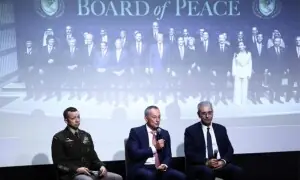
To address the ongoing humanitarian crisis in the region, the Board of Peace has introduced a comprehensive $2.45 billion reconstruction and recovery proposal for Gaza. The announcement was made during a high-level gathering in New York, running parallel to the broader discussions at the United Nations General Assembly. As international stakeholders analyze the viability of the new Board of Peace Gaza recovery plan, diplomats and humanitarian workers alike are emphasizing the sheer scale of the logistical hurdles that lie ahead in the coming months.
Focus on Housing and Economic Revitalization Under the Board of Peace Gaza recovery plan
The newly unveiled initiative outlines a series of 66 targeted projects designed to unfold over a six-month timeline. According to the original report, the strategy heavily emphasizes establishing temporary housing solutions alongside foundational steps to kickstart local economic activity. Among the 66 distinct interventions detailed within the framework are critical works centered on debris removal, clearing blocked roadways, restoring access to potable water networks, and stabilizing electrical grids that have been heavily damaged during the prolonged hostilities.
Furthermore, the program earmarks substantial funding for emergency medical infrastructure, ensuring that field hospitals and partially functional clinics receive essential medical supplies, diagnostic equipment, and fuel generators necessary to maintain round-the-clock operations. Small-scale agricultural grants and micro-loans for local merchants also form a vital pillar of the economic revitalization agenda, aiming to restore basic commerce and supply chains as swiftly as possible.
The Board of Peace, chaired by US President Donald Trump, was originally established to monitor a Gaza truce and oversee the reconstruction process following the severe conflict between Israel and Hamas. The latest financial package represents a significant step toward addressing the massive infrastructure deficits left in the wake of the war, though international observers continue to stress that continuous oversight and cooperative stakeholder engagement will be mandatory to ensure funds are distributed equitably and efficiently.
Global Leaders Urge Action at the UN
The unveiling of the funding package came as international leaders gathered in New York for the UN General Assembly. High-ranking officials, including French President Emmanuel Macron and Turkish President Recep Tayyip Erdogan, used the global platform to voice deep concern over the severe humanitarian conditions on the ground in Gaza, pressing for immediate international intervention and a lasting resolution to the conflict.
During the board’s session, prominent figures detailed the scope of the upcoming interventions. High Representative for Gaza Nickolay Mladenov addressed stakeholders alongside military and engineering specialists, outlining the practical challenges and objectives associated with rolling out the dozen-plus projects over the coming months. Technical teams emphasized that securing safe transit corridors for heavy machinery and construction materials remains a prerequisite for successfully executing the primary phases of the infrastructure overhaul.
Persistent Realities on the Ground
Even as diplomatic talks and multi-million-dollar financial pledges took center stage in New York, the security situation in the region remained volatile. Local officials reported that ongoing Israeli military fire resulted in two additional fatalities in Gaza, serving as a stark reminder of the fragile environment into which these recovery efforts are meant to be deployed.
Meanwhile, United Nations leadership reiterated warnings that opportunities for achieving a sustainable two-state solution are rapidly dwindling, emphasizing that immediate economic relief must be paired with substantive political momentum to secure lasting stability. Humanitarian advocates point out that sustainable recovery cannot occur in a vacuum; physical reconstruction must be accompanied by long-term security guarantees and freedom of movement for both civilians and aid workers.
As the Board of Peace begins coordinating the implementation of its 66 recovery projects, the international community watches closely to see how effectively the six-month plan can alleviate immediate suffering and lay the groundwork for long-term reconstruction. The coming weeks will prove critical as administrative logistics transition into boots-on-the-ground engineering operations across the affected territory.
Related reading:
- Pakistan and Seven Other Muslim Nations Gaza Peace Plan Demands Urge Israel to Uphold Commitments
- Arab Nations Warn Israel Gaza Expulsion Plans Peace Efforts Could Derail
- Middle East and Asia Nations Issue Gaza Ceasefire Joint Statement Aid Call
