

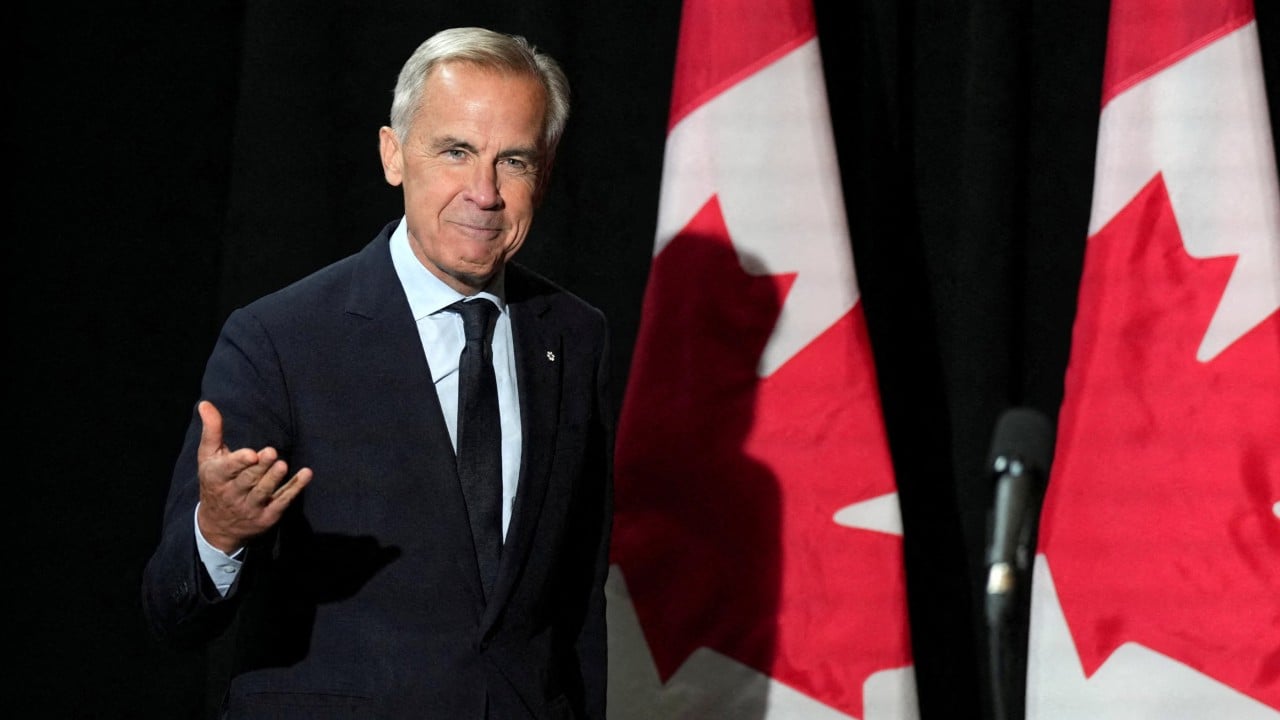
Amid shifting dynamics across North America, Canadian leadership is actively looking across the Atlantic for new alliances. According to the original report, Prime Minister Mark Carney is actively examining whether his nation could secure a novel partnership with the European Union by pursuing Canada EU associate member status.
Navigating Strained US Ties and Trade Pressures
The motivation behind this bold diplomatic exploration stems largely from growing frictions in the traditional relationship between Ottawa and Washington. As US policy becomes increasingly unpredictable, Canadian officials are under mounting pressure to diversify their international partnerships. Establishing a formal institutional link with the European Union could provide a reliable economic and political anchor, safeguarding Canadian interests against sudden shifts in North American trade dynamics.
Furthermore, recent protectionist measures and recurring tariff threats from the United States have forced Canadian policymakers to rethink long-term economic security. Trade reliance on a single dominant partner has historically left Canada vulnerable to political whims in Washington. By seeking closer integration with European markets, Ottawa hopes to create a resilient economic buffer that protects local industries, supports supply chain stability, and opens new avenues for cross-border collaboration without being entirely tethered to American domestic politics.
A Novel Framework for Brussels
While the European Union has historically maintained a rigid stance regarding its membership criteria and integration pathways, current conditions appear to be shifting perceptions in Brussels. Traditionally, joining the bloc requires full adherence to every single EU mandate and a lengthy accession process. However, unnamed sources indicate that European authorities are surprisingly receptive to creating a brand-new, customized category of association specifically tailored for Canada, circumventing the standard expansion playbook.
This potential evolution in Brussels also reflects the EU’s broader desire to strengthen ties with stable, like-minded democracies outside the immediate European neighborhood amid a turbulent geopolitical landscape. Crafting a special tier of Canada EU associate member status could serve as a valuable precedent for future diplomatic arrangements with other advanced economies, such as regional partners or Indo-Pacific democracies looking for deeper institutional cooperation.
What Associate Status Might Entail
Precise details regarding what a Canadian associate membership would actually look like remain under wraps. Because the framework does not currently exist, negotiators from both sides are essentially charting entirely new diplomatic territory. Observers speculate that such an arrangement could focus heavily on streamlined trade agreements, regulatory alignment, and enhanced security cooperation without requiring full political integration or adoption of the Euro currency.
Beyond basic trade, such a partnership could address critical modern challenges, including technological regulation, green energy transitions, and joint defense initiatives. Aligning regulatory frameworks would reduce bureaucratic friction for businesses operating on both sides of the Atlantic, fostering a more integrated transatlantic marketplace that benefits consumers and enterprises alike.
The Road Ahead for Transatlantic Diplomacy
Talks between Canadian and European representatives are still in their exploratory phases, and major hurdles remain before any formal proposal can be drafted. Officials in both Ottawa and Brussels face the delicate task of defining mutual benefits that satisfy domestic political expectations. Even so, the mere fact that this conversation is happening signals a profound evolution in Canada’s foreign policy outlook as traditional regional ties face unprecedented strain.
Ultimately, turning this transatlantic vision into concrete policy will depend on political will from both Ottawa and Brussels. If successful, it could redefine how non-European nations interact with the world’s largest single market, setting a fascinating precedent for future international diplomacy.
Related reading:
- Islamabad High Court Shields Compliant Sheesha Cafes From Crackdowns to Clarify sheesha cafes legal status islamabad
- Cayetano siblings Singapore Sightings Spark Controversy Amid Philippine Investigations
- Afridi Karachi street movement Gains Momentum Amid Sindh Standoff
