

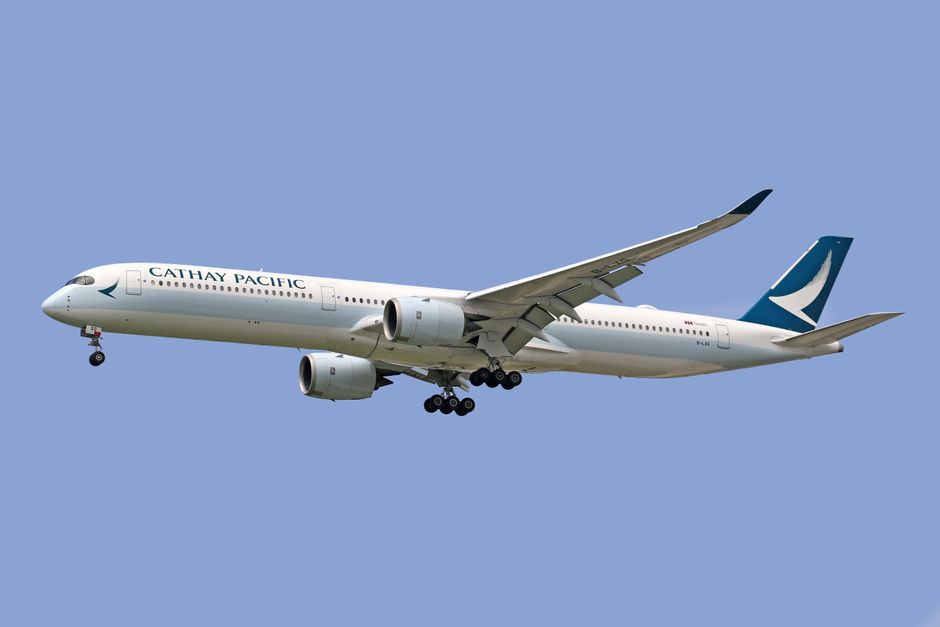
Aviation emissions go far beyond the carbon dioxide spewing directly from jet engines. High-altitude clouds known as contrails, formed when water vapor freezes around soot particles in freezing air, can trap heat in the Earth’s atmosphere and significantly contribute to global warming. Now, major technology and airline players are stepping up efforts to address this hidden climate challenge. According to the original report, Cathay Pacific and Google are expanding their artificial intelligence trials aimed at predicting and ultimately avoiding these heat-trapping formations using the new Cathay Pacific Google AI contrails initiative.
Understanding the Impact of Aircraft Contrails
When commercial airplanes cruise at high altitudes, their exhaust leaves behind those familiar white streaks across the sky. While some dissipate quickly, others linger and spread out into thick cirrus clouds that insulate the planet by trapping outgoing longwave radiation. Scientific studies suggest that these lingering condensation trails account for a substantial share of aviation’s overall climate impact. Mitigating this effect without burning significantly more fuel has historically presented a major logistical puzzle for airlines navigating complex atmospheric conditions.
How Artificial Intelligence Steps In
Solving the contrail puzzle requires advanced data processing because weather patterns and humidity layers change rapidly at high cruising altitudes. By leveraging Google’s robust machine learning capabilities, aviation teams can analyze vast amounts of meteorological data, flight paths, and satellite imagery. This technology helps meteorologists and pilots identify precise altitudes and regions where contrails are most likely to form, allowing flight crews to make minor adjustments to their cruising heights and bypass those specific atmospheric pockets.
Expanding Trials for Real-World Impact via Cathay Pacific Google AI Contrails
After promising initial tests, Cathay Pacific and Google are widening their trials to find scalable solutions. Expanding these real-world tests allows researchers to refine their predictive models against diverse flight routes and varying seasonal weather conditions. As airlines face increasing pressure to meet sustainability goals, integrating smart software solutions into daily flight planning offers a practical method to reduce non-CO2 emissions immediately. Experts note that deploying advanced machine learning models specifically tailored for Cathay Pacific Google AI contrails tracking can drastically shorten the feedback loop between meteorological forecasting and active flight path adjustments.
While technological innovations alone cannot completely eliminate aviation’s environmental challenges, targeted initiatives like AI-driven contrail avoidance represent a meaningful leap forward. By combining Google’s advanced computing power with Cathay Pacific’s operational expertise, the partnership offers a blueprint for how the broader travel industry might utilize modern digital tools to fly more responsibly in the future. As these collaborative programs mature, aviation engineers expect further integrations that merge live weather radar updates with automated autopilot corrective protocols.
Related reading:
- How the AI boom climate pledges impact tech giants worldwide
- Google Maps Lake America Rename Sparks US-Canada Confusion
- Scientists Develop Ultra-Sensitive Floating Compass Dark Matter Detector
