

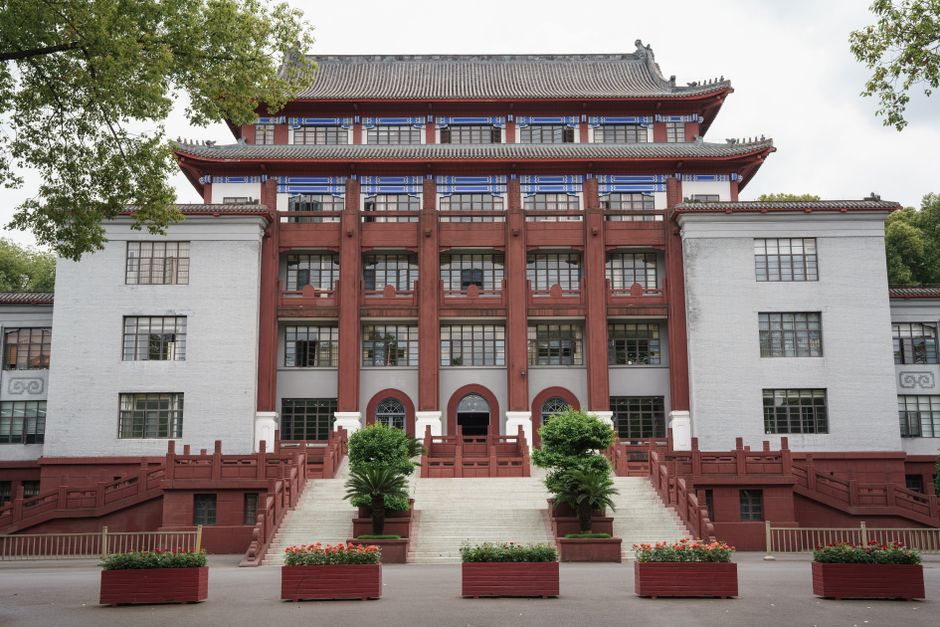
China has announced a comprehensive transformation of its higher education network, prompting universities to establish unique institutional identities as part of a sweeping china higher education reform. As demographic shifts, evolving employment demands, and rapid industrial upgrades reshape the nation’s economic landscape, the state is pushing academic institutions to better align their programs with the modern workforce.
A New Strategic Direction for Universities Under China Higher Education Reform
The sweeping initiative aims to reshape how campuses prepare students for the professional world. According to the original report, the policy framework encourages schools to move away from uniform approaches and instead cultivate specialized strengths tailored to specific industrial sectors. Educational analysts note that this shift marks a significant departure from decades of standardized expansion, pushing universities to focus on practical, market-driven competencies.
Responding to Shifting Demographic and Economic Realities
With the domestic job market growing increasingly competitive and industrial technologies advancing at a rapid pace, traditional academic structures are facing mounting pressure. Policymakers have emphasized that higher learning institutions must remain agile, continuously adapting their curricula to mirror the real-time demands of employers and the broader economy. Observers point out that declining birth rates and an aging population necessitate a smaller, highly skilled labor force rather than sheer volume of graduates.
Joint Directive from Top Government Bodies
The directive was officially rolled out following a joint issuance by the general offices of the ruling Communist Party’s Central Committee and the State Council, China’s primary cabinet. This strong government backing highlights the urgency of updating the nation’s educational system to keep the economy growing.
Government officials noted during recent briefings that the modernization of academic frameworks is essential for fostering indigenous technological innovation. Experts across the region have welcomed the policy shift, arguing that specialized institutional mandates will reduce redundancy among universities and encourage excellence in applied sciences, engineering, and vocational integration.
Furthermore, university administrators are now tasked with reassessing faculty performance metrics, moving away from purely academic publications toward industry collaboration and practical problem-solving. This ensures that educators are directly engaged with the technological bottlenecks facing domestic enterprises today.
Ultimately, this educational restructuring reflects a broader national strategy to ensure that future graduates possess the exact practical skills required in a changing global economy, securing a stronger foundation for both individuals and industries alike.
Related reading:
- Infinity Gaming China agreement Marks Major Five-Year Partnership
- US G20 trade imbalances China: Washington Pressures Nations to Tackle Global Trade Gaps
- India Chile trade pact Advances Toward Major Trade Agreement and Expanded Mineral Partnerships
