

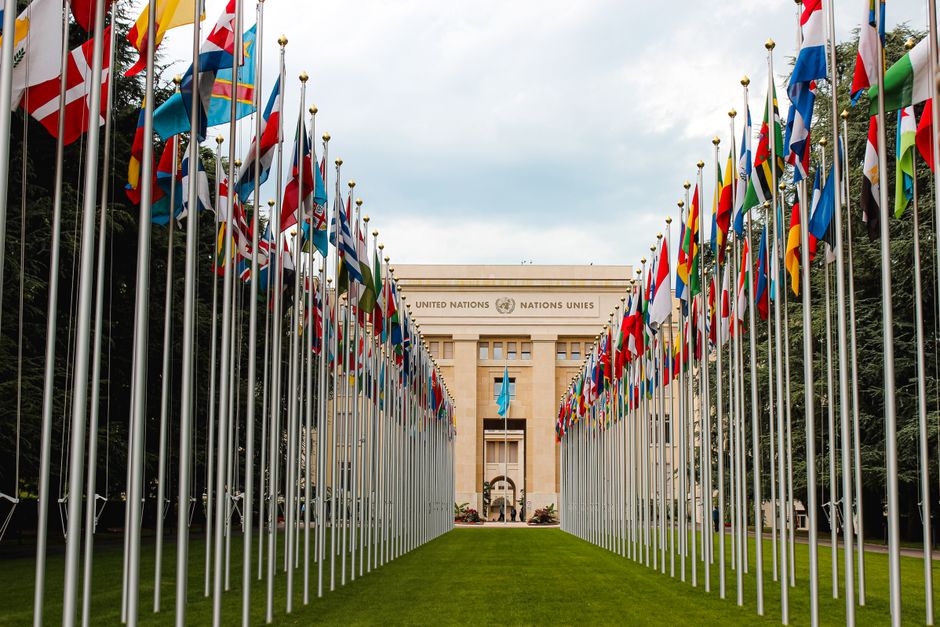
In an era defined by overlapping crises—ranging from armed conflict and infectious disease outbreaks to climate change and the rapid, unchecked advancement of artificial intelligence—the international community faces a daunting reality. Major global powers are increasingly at odds, fracturing the traditional world order and leaving many observers to question the fundamental utility of international institutions. When examining whether is the UN still relevant today, experts suggest the answer is leaning toward “not really” as diplomatic mechanisms struggle to keep pace with modern crises.
Consider recent geopolitical deadlocks that have paralyzed the Security Council. From the protracted conflicts in Ukraine and Sudan to escalating humanitarian catastrophes in Gaza, the body frequently finds itself ensnared in vetoes and diplomatic posturing.
When permanent members prioritize strategic rivalry over collective security, active enforcement mechanisms grind to a complete halt. This institutional paralysis leaves regional powers to act unilaterally, further eroding the foundational premise of post-WWII multilateralism.
The Breakdown of Superpower Cooperation and Why Is the UN Still Relevant
The core framework of the United Nations was built on the premise that major nations could find common ground, particularly during moments of severe crisis. However, contemporary geopolitics tells a different story.
Discord among global superpowers has paralyzed many of the mechanisms designed to maintain international peace and security.
As diplomatic channels fray and nations retreat into defensive postures, the capacity of the UN to forge meaningful consensus has noticeably diminished.
Rising Ethnonationalism and Intransigence
At the same time, a resurgence of ethnonationalism is compounding global friction.
As regional and national leaders increasingly prioritize inward-looking agendas, willingness to compromise on multinational challenges has plummeted.
This growing intransigence among both superpower and mid-tier nations means that critical treaties, humanitarian interventions, and environmental pacts frequently stall before they can gain any real momentum, leaving urgent global problems unaddressed.
The Existential Threat of New Technologies
While traditional diplomatic hurdles stall progress on age-old conflicts, humanity is simultaneously confronting entirely new frontiers of risk.
The rapid emergence of artificial intelligence presents existential threats that require synchronized global regulation.
Yet, the current fragmented state of international relations makes it difficult to establish unified guardrails. When institutions meant to govern cooperative safety are sidelined by political gridlock, the vulnerability of the global population multiplies.
Looking Beyond the Current Framework
Acknowledging the shortcomings of the existing system opens the door to a much larger, more uncomfortable question: If not the UN, then what?
Finding an alternative mechanism capable of managing the collective anxieties of a splintered planet remains one of the defining challenges of our time.
Whether through reformed legacy institutions or emerging decentralized coalitions, the international community must eventually determine how to solve global problems when traditional forums no longer hold the necessary leverage.
Ultimately, the debate over international diplomacy is not just about institutional bureaucracy; it is about survival. As global challenges continue to outpace the structures designed to contain them, world leaders face an urgent imperative to either revitalize multilateral cooperation or invent a viable alternative before the current fragmentation becomes permanent.
Related reading:
- UN Resolution Africa True Size Map Backed by United Nations
- Middle East and Asia Nations Issue Gaza Ceasefire Joint Statement Aid Call
- Pakistan and Seven Other Muslim Nations Gaza Peace Plan Demands Urge Israel to Uphold Commitments
