

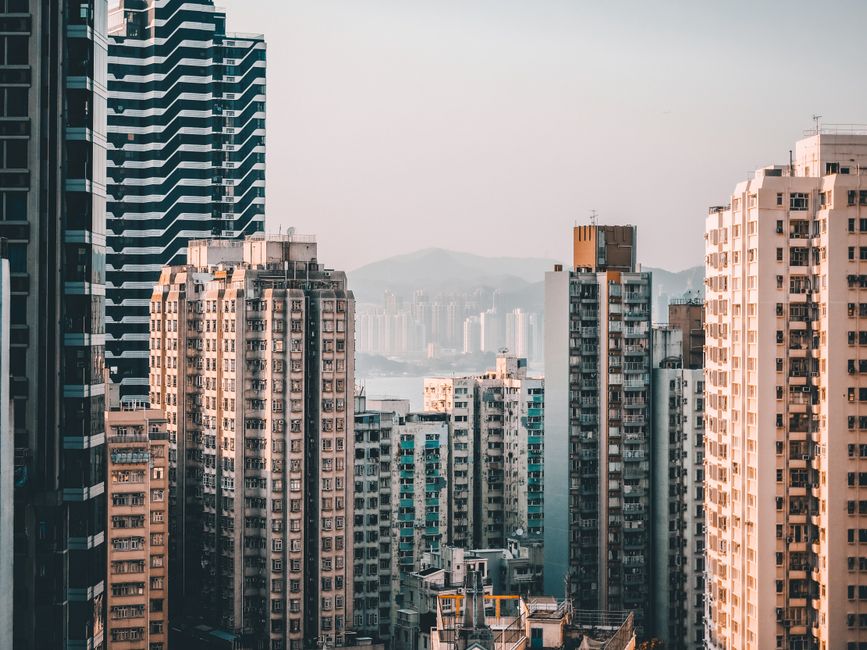
Hong Kong has long built its reputation on a fiercely free-market economy. For decades, the city’s economic blueprint relied heavily on a hands-off approach, where minimal government intervention and an open trading environment allowed businesses to thrive organically. However, a profound shift is currently underway as the financial hub begins to pivot toward a more structured, state-guided economic strategy, aligning closer with national planning models and incorporating elements similar to a formal Hong Kong five year plan to guide future development.
The Pivot Toward Industrial Policy and the Hong Kong five year plan
Rather than leaving every sector entirely to market forces, policymakers are increasingly stepping in to shape the city’s future growth. As noted in the original report, what is unfolding in Hong Kong is best understood as a deliberate move toward industrial policy. This strategy involves the government actively identifying and supporting specific strategic industries, steering resources and attention toward areas deemed vital for long-term competitiveness. Economic planners emphasize that adopting a formalized framework helps coordinate regional synergies, matching the broader objectives outlined in mainland strategic agendas.
Targeting High-Growth Sectors
Under this evolving approach, the local administration is moving past its traditional reliance on real estate and financial services alone. Instead, the focus is shifting toward high-tech fields, innovation, and advanced manufacturing capabilities, including biotechnology, artificial intelligence, and new energy materials. By prioritizing these sectors, authorities aim to secure sustainable economic momentum and diversify a market that has historically experienced vulnerability to external financial shocks. Recent policy addresses have allocated substantial funding pools to attract key enterprises and global research talent to local incubation hubs.
Balancing Tradition with Modern Governance
Transitioning a market rooted in laissez-faire traditions toward structured state planning presents distinct challenges. Critics and analysts watch closely to see how this tighter coordination with regional and national objectives will impact local businesses and international investors. Maintaining the city’s reputation as an agile business environment while implementing targeted state policies remains a delicate balancing act for local leaders. Business associations have urged transparency in how public subsidies are distributed to ensure a level playing field for both domestic startups and established multinational corporations.
Ultimately, Hong Kong’s embrace of a formalized development strategy marks a historic turning point. Whether this targeted intervention successfully revitalizes its economy will likely serve as a major economic test for the territory in the years ahead as it navigates the complexities of global trade tensions and digital transformation.
Related reading:
- Australia ageing population birth rate: Economic Pressures Grow as Demographics Shift
- Hong Kong Civil Servant Leave Plans Aim to Tackle Birth Rates, but Private Sector Hesitates
- Hong Kong Airport Passenger Growth Remains Strong Despite Cargo Slowdown

1 comment
[…] a pivotal era of economic development and structural evolution. As the city rolls out its inaugural Hong Kong five year plan policy address, government leaders and regional analysts are closely examining how the global financial hub […]