

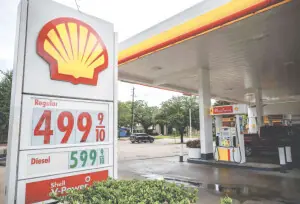
Disruptions in the vital Strait of Hormuz are stretching on, and the ripple effects of the strait of hormuz oil crisis are being felt far beyond the immediate combat zones. Spiking costs for oil, natural gas, freight, and shipping insurance are fueling inflationary pressures worldwide and squeezing economic growth at a time when many nations can least afford it, directly impacting global markets.
The Global Toll of a Shut Strait
While wealthy industrialized economies possess the financial cushions to absorb a portion of these escalating energy shocks, developing nations are facing devastating consequences. Countries such as Pakistan are grappling with ballooning import bills, depleted external balances, and soaring inflation, leaving their governments with virtually no room for fiscal or monetary intervention. As outlined in the original report, the ongoing crisis in this critical maritime corridor has transformed a localized security dispute into an economic emergency for nations across the globe.
Energy Markets React to Prolonged Conflict
Roughly one-fifth of the entire world’s oil and gas supplies must transit through the narrow waters of the Strait of Hormuz, making it the undisputed mood-setter for international markets. In the middle of February, Brent crude was trading comfortably below $68 a barrel. Today, with the waterway effectively constrained, prices hover near the $100 mark, directly penalizing consumers, airlines, and manufacturers everywhere. Refineries are struggling to secure adequate feedstock, forcing cutbacks in production that ripple downstream into petrochemicals, plastics, and agricultural fertilizers. Furthermore, the volatility in crude markets is creating severe cash-flow crunches for independent energy traders who must post higher margin requirements just to maintain standard hedging positions. Freight rates for supertankers have multiplied threefold in a matter of weeks, adding an extra layer of cost onto every single barrel delivered to Asian and European import terminals. Governments from Tokyo to Berlin are scrambling to release emergency strategic reserves, yet analysts warn these buffers offer only temporary relief against a structurally altered geopolitical landscape.
Missed Diplomatic Openings
Efforts to resolve the bottleneck have repeatedly stalled due to failed diplomacy. Earlier in the year, brief breakthroughs offered a glimmer of hope, including talks hosted in Pakistan following a short-lived ceasefire agreement between U.S. and Iranian delegations. However, that interim framework collapsed shortly after its announcement. More recently, Tehran floated a revised proposal during the UN General Assembly, seeking the release of frozen funds, the removal of oil sanctions, and the termination of the naval blockade within days in exchange for resuming nuclear negotiations.
A High-Stakes Game of Brinkmanship
Washington quickly dismissed Tehran’s latest terms as unacceptable, with President Donald Trump denying that any sanctions relief is on the table as communications continue via Qatari intermediaries. At its core, the current deadlock represents a dangerous economic wager. Washington is betting that sustained pressure and blockades will exhaust Iran’s resources first, while Tehran maintains that a crippled global energy supply will break American and international resolve. Neither strategy accounts for the heavy collateral damage inflicted on vulnerable economies caught in the crossfire as the strait of hormuz oil crisis deepens.
As the standoff continues without a clear resolution in sight, the world remains tethered to the fate of a single, narrow shipping lane. Until a sustainable diplomatic breakthrough materializes, businesses and consumers worldwide will continue to pay the price for a war that refuses to stay contained.
Related reading:
- Is the Trillion-Dollar AI market bubble US economy risk Threatening the US?
- Global Energy Flows Face Unprecedented Pressures as Hormuz and Red Sea Oil Supply Constrict
- Global Economy Growth Outlook Improves to 2.4% for 2026
