

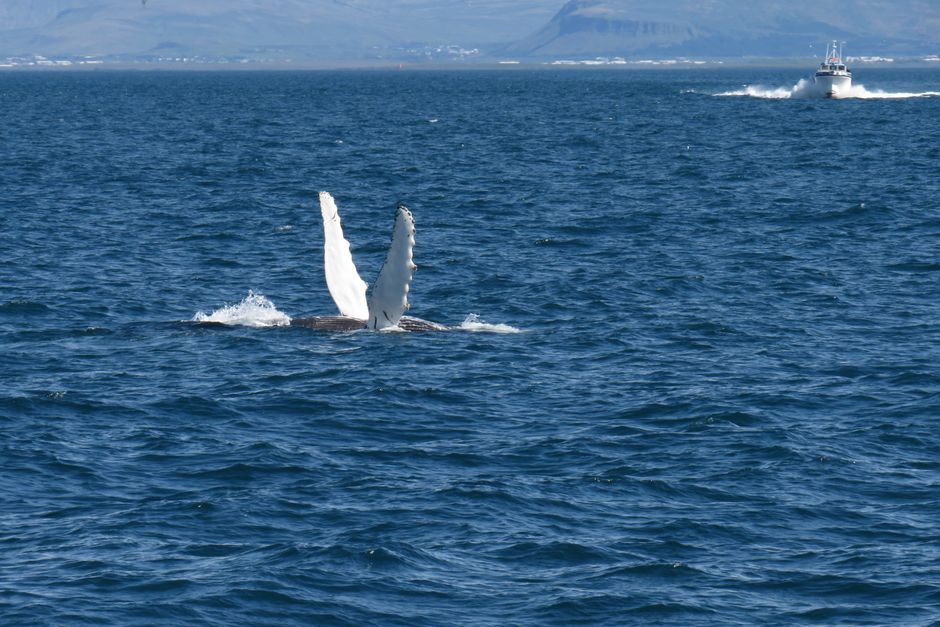
Iceland is preparing to introduce a formal proposal for an Iceland whaling ban, a decision that could reshape global marine conservation. If enacted, this move would leave only two nations actively engaging in the practice on a commercial scale, signaling a major turning point for international wildlife protection policies.
The Shrinking Map of Global Whaling
For decades, commercial whale hunting has been a contentious global issue, pitting conservationists against a handful of traditional maritime nations. According to the original report detailing International Whaling Commission catch lists, only three countries—Iceland, Norway, and Japan—have pursued commercial whaling operations in recent years. With Iceland now signaling an end to the practice, that small group is about to shrink even further, placing unprecedented international scrutiny on the remaining two governments.
The historical context of Iceland’s whaling industry dates back many decades, intertwined with coastal traditions and economic necessity during periods of hardship. However, modern quotas have faced increasing volatility. In recent years, temporary suspensions by the Icelandic government—often driven by animal welfare concerns and declining export markets—have repeatedly delayed the start of the summer hunting seasons, signaling a gradual retreat from the practice long before this formal legislative step.
Economic and Cultural Shifts Behind the Iceland Whaling Ban
The push to outlaw commercial hunting in Iceland reflects changing domestic priorities, where modern economic reliance on whale watching and eco-tourism has largely overtaken the market for whale meat. Public sentiment has steadily evolved, with younger generations and local businesses favoring marine preservation over traditional harvesting. This cultural pivot has made the continuation of the industry increasingly difficult to justify on both economic and ethical grounds.
Furthermore, domestic polling over the last several years has consistently shown a decline in public support for whale hunting. Local operators in coastal towns that once relied heavily on whaling vessels have successfully transitioned their business models toward marine tourism, proving that live whales generate more sustainable revenue than harvested ones. International markets, particularly in Asia, have also seen shrinking demand for Icelandic whale products, adding further financial strain to an already struggling sector.
Isolation for Norway and Japan
As Iceland steps away from the practice, Norway and Japan will find themselves entirely isolated on the global stage regarding commercial whaling. Both nations have maintained active whaling fleets despite decades of international pressure and diplomatic pushback from environmental groups. Without Iceland standing alongside them as a fellow commercial whaling nation, Tokyo and Oslo face renewed pressure from international bodies and trade partners to reconsider their domestic policies.
Environmental coalitions have already begun ramping up campaigns targeting Norwegian and Japanese seafood exports, leveraging consumer awareness to discourage trade with the remaining whaling nations. Diplomatic channels are also expected to feature heavier discussions on marine biodiversity, leaving Oslo and Tokyo with fewer allies in international conservation forums.
Ultimately, Iceland’s impending legislative proposal represents a major shift in the debate over marine mammal protection. As global norms continue to shift away from harvesting ocean wildlife, this decision could inspire broader international efforts to protect vulnerable marine species for generations to come.
Related reading:
- Zelenskyy warns Russian skies: Ukrainian President Declares Airspace Unsafe for Commercial Aviation
- Icelandic Voters Head to the Polls in Tight iceland eu membership vote
- Iceland EU membership referendum Greenland Tensions Shape Vote
