

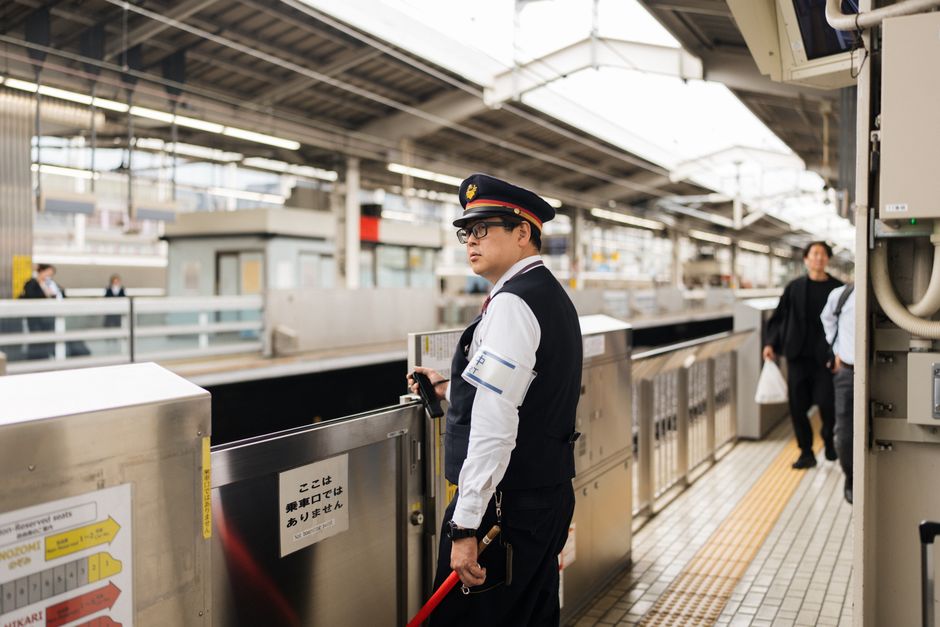
Japan is considering opening its private security sector to Japan foreign security workers to combat severe labor shortages. As the nation faces an aging population and dwindling workforce numbers across multiple sectors, policymakers and industry experts are examining how international talent could help fill critical staffing gaps in guarding and safety services.
Addressing Severe Labor Deficits and Demographic Pressures
For years, Japan has gradually expanded pathways for overseas employees to enter industries that traditionally relied exclusively on domestic personnel, such as construction, caregiving, and agriculture. The security industry, however, has remained largely closed due to strict regulatory frameworks, language requirements, and specialized licensing rules. With demand for security services steadily rising alongside a shrinking domestic labor pool, government officials are reevaluating these restrictions to keep vital services operational.
The demographic reality is stark. As birth rates decline and the median age climbs, the pool of available young workers shrinks annually. Private security firms, which manage everything from corporate offices to bustling construction sites and public transit hubs, find it increasingly difficult to maintain adequate staffing levels. This shortfall risks compromising operational safety across major metropolitan areas, forcing a pragmatic re-evaluation of long-standing immigration and labor policies.
The Role of Expert Panels in Shaping Policy
To manage the transition, a specialized panel will soon convene to debate the policy details. These discussions will center primarily on capacity, vetting procedures, and the scope of work permitted for Japan foreign security workers. Specifically, the panel must determine how many overseas workers the industry can safely and effectively absorb, as well as establish strict quotas to ensure balanced implementation without disrupting local labor markets.
Furthermore, the expert committee is evaluating comprehensive training and language proficiency standards. Because security personnel often interact with the general public and must respond swiftly during emergencies, establishing a baseline of communication skills and cultural understanding is paramount. The panel will look at successful integration models from other sectors, adapting them to meet the stringent demands of the security landscape.
Defining Permissible Security Tasks and Regulatory Hurdles
Not all security functions carry the same level of responsibility or risk, making job categorization a central focus of the upcoming deliberations. The committee will carefully evaluate which specific duties can be appropriately assigned to foreign staff members. While routine monitoring, event oversight, and facility access control may be considered suitable entry points, higher-stakes responsibilities will require rigorous vetting, background checks, and standardized training protocols.
Regulatory hurdles also involve licensing requirements under Japanese law. Current certification processes are conducted entirely in Japanese and test intricate knowledge of local legal codes regarding private security operations. Policymakers must decide whether to create specialized testing pathways, translated study materials, or tiered certification levels that allow workers to gradually take on more complex duties as their language proficiency and experience improve.
As these discussions progress, Japan’s approach to incorporating international labor into its security infrastructure will set a precedent for balancing national labor demands with public safety standards. The panel’s findings will ultimately shape the regulatory framework that determines how the industry adapts to a changing demographic landscape, ensuring that the introduction of foreign personnel strengthens rather than compromises the nation’s security ecosystem.
Related reading:
- US Navy foreign warships Japan: A Historic Shift in Naval Procurement
- North Korea Labels north korea us japan south korea drills an Active Security Threat
- Japan Russia Khabarovsk statue protest Sparks Fresh Diplomatic Tensions With Tokyo
