

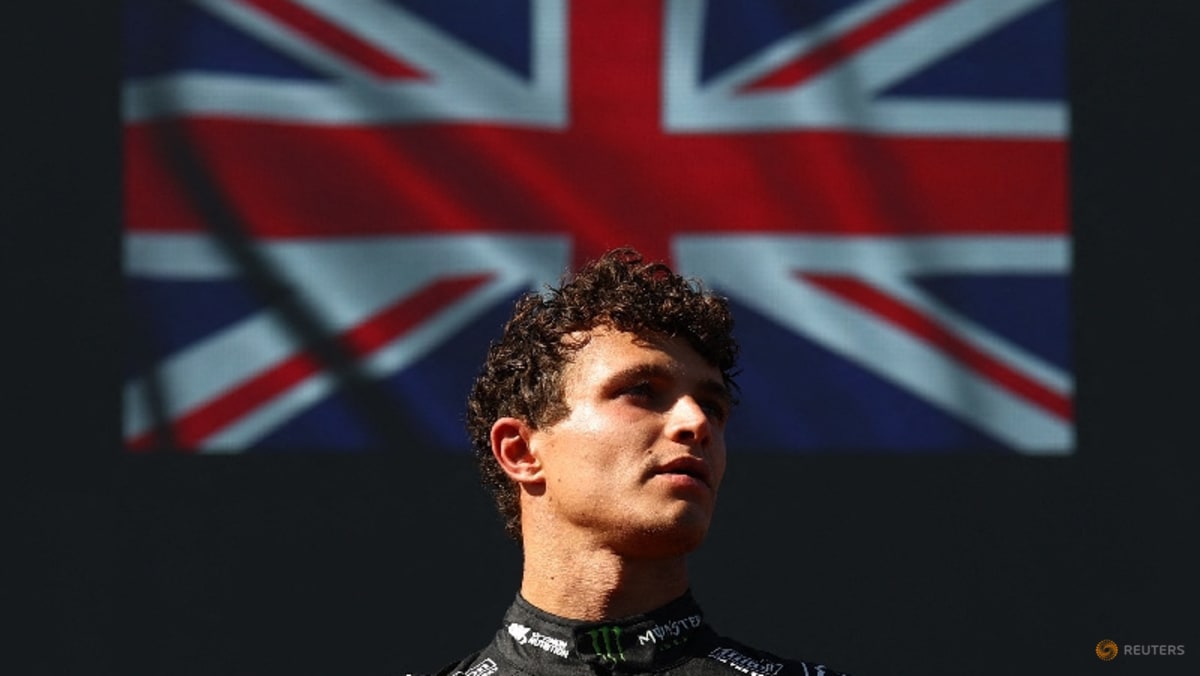
Drivers are ramping up pressure on Formula 1 to fix ongoing officiating and procedural headaches. McLaren standout Lando Norris has publicly voiced his concerns regarding how races are currently policed, specifically highlighting the virtual safety car protocol and the ongoing challenges surrounding on-track racing guidelines.
The Debate Over the Norris F1 Virtual Safety Car Rule
The virtual safety car (VSC) was originally introduced to neutralize races safely when hazards appear on track without needing the full physical safety car rollout. However, drivers have frequently debated the grey areas of delta times and enforcement. According to the original report, Norris believes the current framework of the VSC rulebook is flawed and requires a thorough evaluation from governing bodies to ensure fair and consistent application.
When analyzing recent grand prix weekends, it becomes glaringly obvious why drivers are growing restless. The application of delta times during neutralization periods has often led to confusion, with teams struggling to optimize their pace while strictly adhering to safety mandates. In high-pressure moments where every tenth of a second dictates track position, ambiguity in how the rules are interpreted by race control can completely alter the outcome of a race. Critics argue that the current iteration leaves too much room for subjective interpretation, creating inconsistencies from one race to the next. For elite competitors like Norris, who fight down to the millisecond, these procedural grey areas are more than just a minor annoyance—they are a direct threat to sporting integrity. The reliance on legacy protocols in a modern, highly digitized sport highlights an urgent need for technological and regulatory modernization. Formula 1’s governing body must address these structural flaws if they hope to maintain absolute confidence from the drivers and the fanbase alike.
Tackling On-Track Racing Standards
Beyond procedural neutralizations, racing behavior and overtaking parameters remain a massive talking point up and down the paddock. Drivers constantly push the boundaries of what is acceptable when defending or attacking position. Norris’s recent comments underline a growing consensus among competitors that the guidelines governing wheel-to-wheel combat need greater clarity to eliminate ambiguity for both drivers and race stewards.
The debate surrounding track limits, forceful defensive moves, and lunges down the inside has dominated driver briefings throughout the season. When wheel-to-wheel battles are decided in cramped meeting rooms hours after the checkered flag drops, it robs the sport of its raw, organic emotion. Fans want to see hard racing on the asphalt, but they also demand a predictable framework that penalizes reckless driving without punishing clean, aggressive overtakes. Norris has consistently advocated for black-and-white rules that drivers can easily memorize and respect in the heat of battle. Without definitive boundaries, drivers feel compelled to test the absolute limits of the rulebook, occasionally crossing into dangerous territory. Addressing these racing standards requires a collaborative effort between the FIA, team principals, and the drivers themselves to establish a universally respected protocol that works under any track configuration.
What This Means for the Future of F1
As the title fight intensifies and margins at the front of the grid shrink, every single rule and penalty carries massive stakes. Feedback from leading drivers like Norris provides critical insight into how regulations impact the actual racing spectacle. Whether the FIA will heed these warnings and implement meaningful adjustments moving forward remains a key storyline to watch.
Ultimately, keeping the sport competitive while ensuring safety and fairness is a delicate balance. As Formula 1 continues to evolve on a global stage, listening to driver critiques will be vital in shaping a more transparent and universally understood rulebook. The long-term trajectory of the sport depends on its ability to adapt swiftly to competitor feedback, ensuring that engineering brilliance and driver skill remain the primary determinants of victory rather than procedural technicalities or ambiguous refereeing.
Related reading:
- Lando Norris Secures Stunning Norris Spanish GP pole Position
- How Lando Norris Contract Oscar Piastri Dynamics Shape McLaren
- Air India Flight Asian Games Shooters Forced to Divert After Technical Snag
