

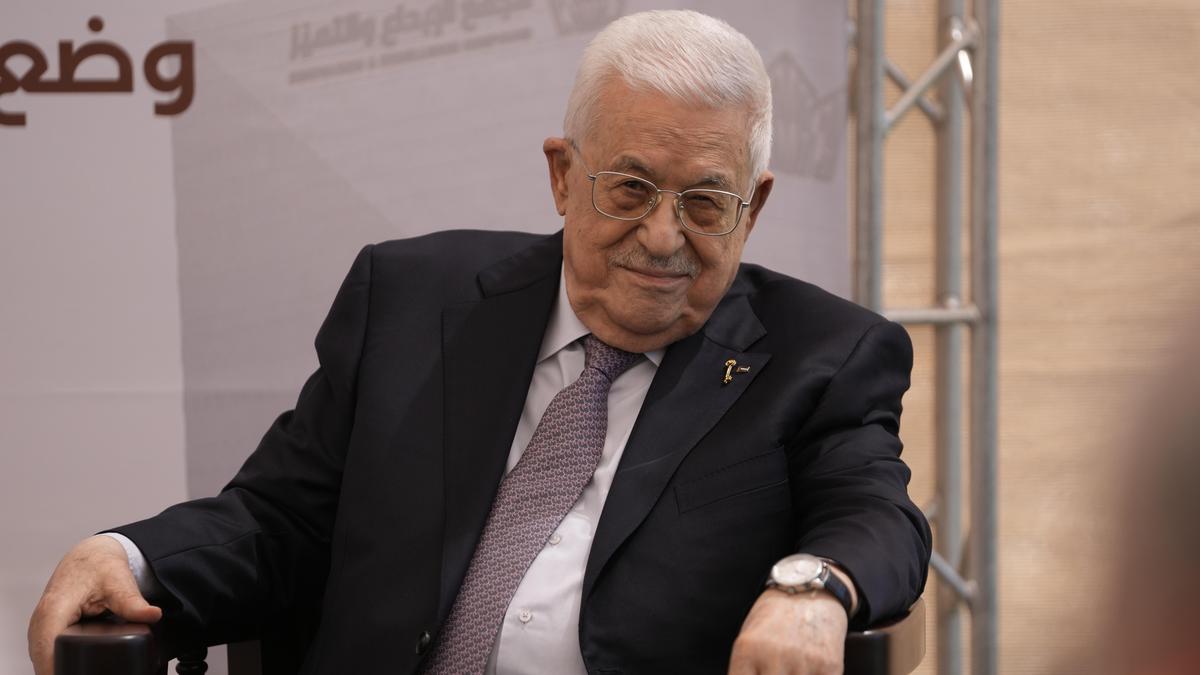
Palestinian leadership has once again pushed back plans for legislative voting, ensuring that Mahmoud Abbas postpones Palestinian elections for yet another year and adding further time to an electoral hiatus that has stretched on for nearly two decades. The decision leaves the governing timeline frozen as regional and domestic pressures continue to mount across the territories.
Why Mahmoud Abbas postpones Palestinian elections
Voters have not participated in a general legislative ballot since 2006, creating a deep generational gap in political representation. Throughout his tenure, President Mahmoud Abbas has repeatedly postponed scheduled rounds of voting according to the original report, citing a myriad of logistical hurdles, administrative disputes, and political disagreements between major factions. Critics argue that these recurring delays are driven more by political calculation and fear of losing power than by genuine administrative obstacles, while supporters maintain that holding a vote under current conditions is practically impossible.
Decades Under the Same Leadership
Mahmoud Abbas has held the presidency since 2005, originally elected to what was meant to be a four-year term. With successive attempts to hold presidential and legislative contests routinely scrapped or delayed, the current political establishment has remained firmly in place without fresh democratic validation from the public. This prolonged stagnation has led to intense scrutiny from international observers and human rights organizations who question the long-term legitimacy of governing institutions that lack recent electoral mandates.
Implications for the Region and Governance
The continuous postponement of democratic milestones complicates governance and dampens hopes for institutional renewal among the Palestinian public. Many younger citizens have never had the opportunity to cast a ballot in a national election, fueling ongoing debates about accountability, representation, and the future direction of leadership. Furthermore, the absence of a functional legislature means that executive power remains concentrated without checks and balances, severely weakening the legislative branch’s ability to pass laws, review budgets, or hold officials accountable.
Regional actors and international allies have frequently urged Palestinian authorities to establish a credible path toward democratic renewal, warning that prolonged political paralysis deepens civic frustration and weakens the national movement as a whole. Internal divisions between major political factions, particularly the rift between Fatah and Hamas, continue to serve as a primary stumbling block for any prospective electoral roadmap, complicating negotiations and stalling reconciliation efforts.
As this latest delay takes effect, the timeline for any future return to the polls remains uncertain, leaving citizens and observers waiting for a definitive path toward democratic renewal. Until meaningful dialogue and structural reforms bridge the gap between rival factions, the prospect of an inclusive and transparent electoral process remains distant.
Related reading:
- US visa refusal Palestinian President Abbas
- Mahmoud Abbas UN visa denied by United States ahead of General Assembly
- Japan protests Russia extradition ICC president
