

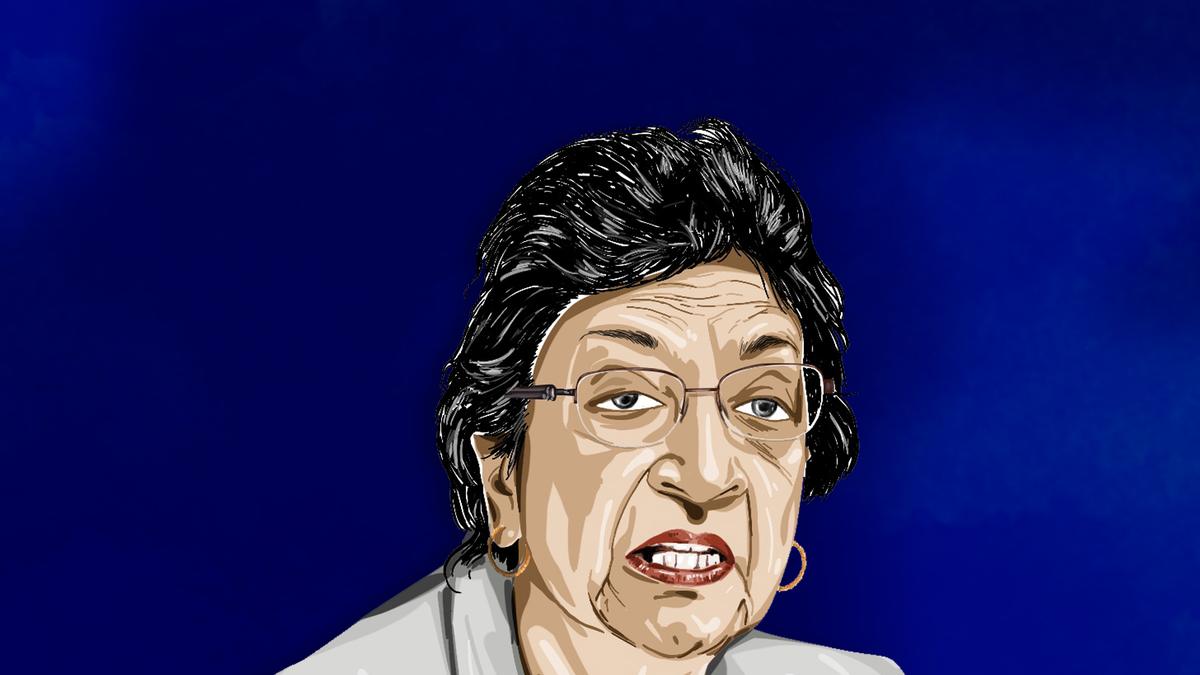
When looking at the landscape of modern humanitarian law, few figures command as much respect and recognition as Navi Pillay. Examining the Navi Pillay human rights career reveals a decades-long trajectory defined by breaking barriers and demanding accountability. The Indian-origin jurist has consistently placed human rights at the forefront of global geopolitics. From her early days facing institutional hurdles to leading critical international panels, her journey reflects a steadfast commitment to legal advocacy.
Early Struggles and Legal Groundbreaking
Navi Pillay’s path to becoming a global legal authority was forged through perseverance. Growing up facing the systemic barriers of apartheid-era South Africa, she pursued law at a time when opportunities for women of color were profoundly limited. Despite these obstacles, she established her own practice, frequently defending anti-apartheid activists, exposing police brutality, and fighting for the rights of political prisoners. According to the original report, this foundational era shaped an unyielding dedication to global justice that would define her entire professional life. During her years practicing in South Africa, she frequently took on pro bono cases for detainees held without trial under security legislation, navigating hostile courtrooms where judges often deferred entirely to state security arguments. Her courtroom defense strategies not only secured the release of several high-profile dissidents but also established important procedural precedents regarding the rights of detainees to access independent medical examinations while in police custody.
Global Leadership at the United Nations
Pillay’s reputation for impartiality and rigorous legal standards eventually propelled her onto the international stage. She served as a judge on the International Criminal Tribunal for Rwanda, contributing to landmark rulings that established sexual violence as an act of genocide. Her work on the Akayesu case, in particular, fundamentally transformed international criminal jurisprudence by recognizing that rape and sexual assault could constitute acts of genocide when committed with the intent to destroy, in whole or in part, a targeted group. Her subsequent appointment as the United Nations High Commissioner for Human Rights strengthened her reputation as a vocal advocate for international law. In this capacity, she did not shy away from confronting powerful states, consistently advocating for vulnerable populations regardless of political pressure. During her tenure, she routinely challenged governments over systemic discrimination, the targeting of journalists, and abuses committed in counter-terrorism operations, expanding the UN human rights office’s monitoring presence in fragile conflict zones across multiple continents.
Landmarks in the Navi Pillay human rights career
Continuing her legacy of public service, Pillay stepped into the role of head of the U.N. Independent Inquiry Commission on Palestine. Tasked with investigating alleged violations of international humanitarian law, the commission operates under intense global scrutiny. Pillay brings her extensive judicial experience to the role, emphasizing evidence-based investigations and the fundamental right of all civilians to protection under international law, regardless of the political climate surrounding the conflict. Her meticulous approach to gathering testimony from both victims and witnesses ensures that the commission’s dossiers meet the stringent evidentiary thresholds required for future accountability proceedings, setting a standard for how complex inquiries into prolonged conflicts are conducted under the auspices of international bodies.
A Lasting Legacy of Accountability
Throughout her remarkable career, Navi Pillay has demonstrated that international law, when applied with courage and integrity, can serve as a powerful tool for the oppressed. Her life’s work challenges the global community to maintain high standards of human rights and proves that individual resolve can drive systemic change across borders.
Related reading:
- Singapore Accepts Over 200 UN Human Rights Recommendations UN Framework
- Renewed Urgency Surrounds the North Korean Human Rights Act of 2026
- Why the Himalayan monal bird changing voice reveals human pressure
