

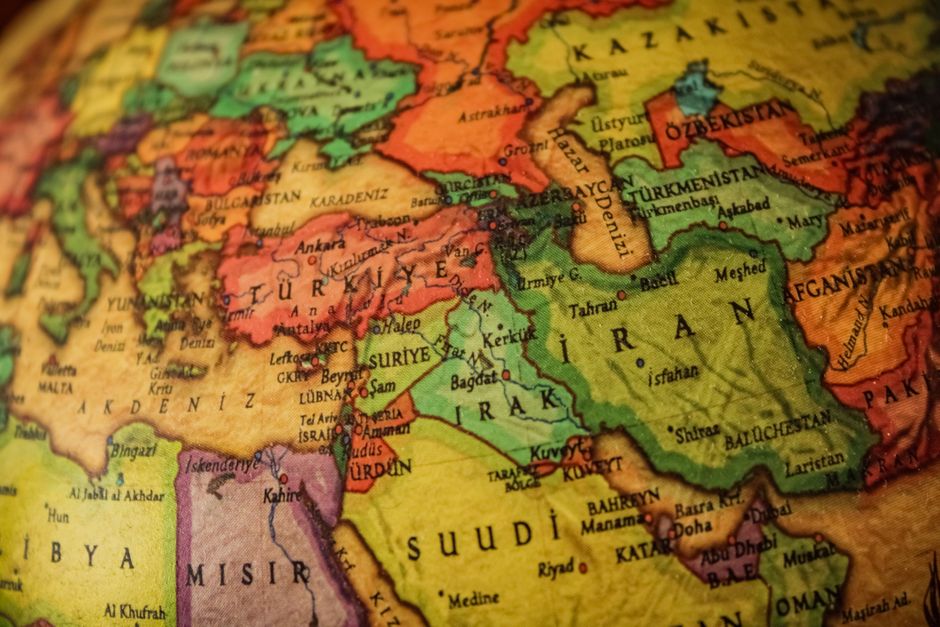
In a major development concerning regional security in the Middle East, military leaders from Pakistan, Turkey, and Saudi Arabia have officially agreed to a new framework allowing for the rapid deployment of forces within Saudi territory. This historic pakistan turkey saudi arabia deployment agreement, commonly referred to as the Makkah pact, marks a significant step forward in defense cooperation among the three nations as they look to strengthen joint security measures and respond swiftly to emerging regional threats.
The Makkah Pact and Rapid Force Readiness
The new agreement is designed to streamline military coordination and significantly reduce response times. By establishing formal protocols for rapid troop movements, the participating governments aim to ensure that defense forces can be mobilized and positioned where they are needed most without administrative delays. According to the original report, this tripartite understanding highlights a growing commitment to mutual defense and strategic alignment between Islamabad, Ankara, and Riyadh.
Furthermore, military planners have emphasized that modern security challenges require a high degree of agility. By pooling intelligence, tactical resources, and logistical capabilities, the coalition hopes to deter hostile state and non-state actors alike. This pact represents a pivot from traditional, slow-moving alliances toward agile, mission-capable task forces that can deploy at a moment’s notice.
Strengthening Trilateral Defense Ties and Strategic Alignment
Defense analysts view this pact as a natural evolution of ongoing bilateral and multilateral military exercises shared by the three countries. Pakistan and Turkey have long-standing defense industrial relationships and have frequently participated in joint training initiatives. Incorporating Saudi Arabia into a structured, rapid-deployment framework elevates these partnerships into a more formal regional security arrangement, fostering deeper interoperability and shared strategic goals.
Joint manufacturing of defense hardware, particularly in the aerospace and unmanned aerial vehicle sectors, has also paved the way for deeper tactical integration. When troops from these three nations train together, they build the foundational trust and procedural familiarity necessary for seamless joint operations. The formalization of the pakistan turkey saudi arabia deployment capabilities ensures that these exercises translate into real-world operational readiness.
Implications for Regional Stability and Deterrence
As security dynamics in the Middle East continue to shift, the ability to deploy forces rapidly serves as both a deterrent and a reassurance mechanism. The agreement provides participating nations with a unified mechanism to address potential crises more effectively. While details regarding exact troop numbers and operational timelines remain closely guarded, the political signal sent by the Makkah pact underscores a collective resolve to protect shared interests and maintain stability across the region.
Observers note that the broader geopolitical landscape demands robust counter-measures against asymmetric warfare, maritime security threats, and ballistic missile proliferation. By standing shoulder-to-shoulder, Islamabad, Ankara, and Riyadh signal to international partners and adversaries alike that regional security will be managed through cooperative defense initiatives rather than isolated national strategies.
Ultimately, this trilateral accord marks a major shift in cross-border defense cooperation. As implementation phases begin, observers will be watching closely to see how these three influential militaries translate their high-level agreement into practical, on-the-ground readiness, ensuring lasting peace and stability throughout the Gulf and South Asian corridors.
Related reading:
- Pakistan, Saudi Arabia, and Turkiye Plan Makkah defence pact military chiefs meeting Amid Regional Escalation
- Trilateral Talks Scheduled Between Turkey, Pakistan, and Saudi Arabia Following Regional Houthi Strikes
- Pakistan FM Highlights Mecca Accord Defense Focus Amid Houthi Escalation for pakistan fm saudi defence pact meeting
