

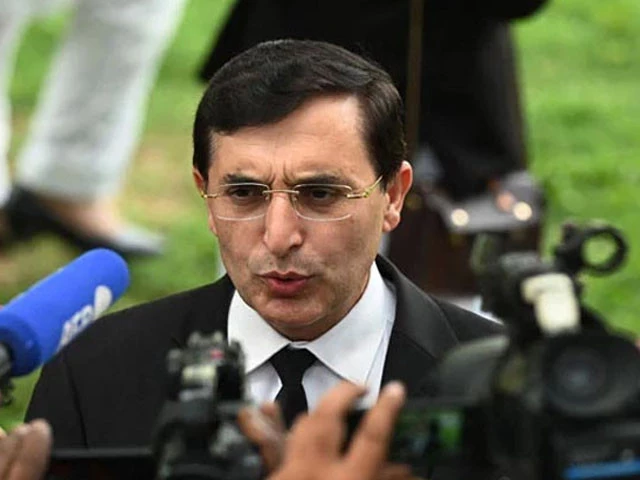
Pakistan Tehreek-e-Insaf (PTI) Chairman Barrister Gohar Khan has issued a clear PTI new provinces warning, urging political leaders to exercise caution when considering any efforts to redraw provincial boundaries. Emphasizing that reshaping administrative units is a monumental decision with long-lasting consequences, the party leadership is calling for a halt to any hasty legislative or political maneuvering that lacks widespread public backing.
The Need for Broad Consensus and the PTI New Provinces Warning
According to the original report, Barrister Gohar stressed that carving out new provinces should never be treated as a quick fix or a partisan project. Instead, any significant structural change to the nation’s map requires a deeply inclusive dialogue. The PTI leader argued that rushing such a complex process without a solid foundation of general agreement among citizens risks creating deep societal friction rather than solving governance issues. This debate touches upon decades of regional discussions in Pakistan regarding administrative efficiency, economic decentralization, and the historical demands for smaller governance units in various provinces, including Punjab and Balochistan.
Avoiding Hasty Political Maneuvers
Administrative reforms and regional reorganizations tend to spark strong reactions and differing viewpoints locally. By pointing out the pitfalls of impulsive policymaking, the opposition figurehead highlighted that stable governance relies on listening to the populace rather than forcing administrative shifts from the top down. Political actors are being advised to prioritize economic stability and democratic norms over rushed regional divisions, especially at a time when the country faces severe economic hurdles and competing legislative priorities that demand national unity rather than divisive constitutional debates.
Listening to the Populace
Ultimately, the discussion around provincial boundaries touches the core identity and administrative efficiency of the country. PTI’s stance underscores that any future proposals must involve transparent consultations with the people directly affected. Without this crucial step, leaders risk alienating the very constituents they aim to serve. Past attempts to introduce new administrative units often stalled due to a lack of political consensus, financial constraints associated with establishing new provincial assemblies and secretariats, and concerns over resource distribution under the National Finance Commission (NFC) award.
As the debate surrounding administrative restructuring continues to evolve, political stakeholders will need to weigh public sentiment carefully. Ensuring that major structural decisions carry the weight of public trust remains paramount for maintaining regional harmony and democratic integrity moving forward. Civil society organizations, legal experts, and constitutional analysts continue to debate whether structural fragmentation genuinely improves service delivery or merely multiplies bureaucratic overhead, making broad-based political dialogue an absolute necessity before any concrete steps are taken.
Related reading:
- Pakistan Weighs Major Administrative Restructuring and Pakistan’s New Provinces Administrative Setup
- Pakistan New Provinces Debate Intensifies Amid Calls for Administrative Overhaul
- Marco Rubio Globalisation Warning: A Wake-Up Call for Western Economies
