

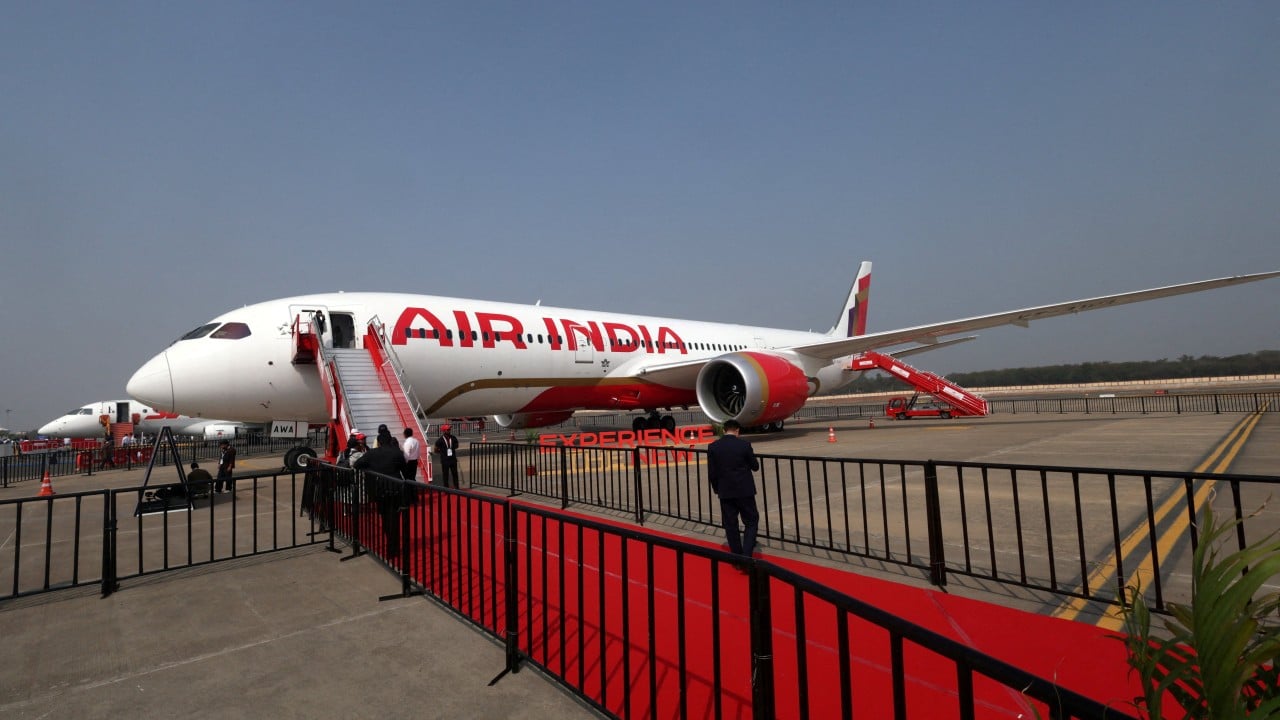
Singaporean authorities have strongly backed the nation’s flagship carrier following intense public debate and online scrutiny regarding its investment in Air India. Government officials stepped forward to clarify the business rationale behind the cross-border investment, emphasizing the necessity of international expansion for the island nation’s aviation sector. Central to this entire discussion is the heavy debate surrounding the strategic Singapore Airlines Air India stake, which has drawn both praise and criticism from various digital platforms and economic analysts alike.
The Limits of the Local Market
Addressing members of parliament, Transport Minister Jeffrey Siow explained that Singapore Airlines faces a distinct ceiling on its growth potential if it relies solely on domestic traffic. Because the city-state’s population and geographic footprint are inherently compact, there is a strict limit to the volume of travelers flying directly into or out of Changi Airport. To maintain profitability, scale up operations, and compete globally, the airline must forge strategic partnerships and secure footholds in high-growth international aviation markets.
Understanding the SIA-Air India Merger Details
To fully grasp the scale of this international venture, it helps to examine the structure of the consolidation process. The partnership involves merging Vistara—a joint venture between Tata Sons and Singapore Airlines—into Air India. Through this corporate realignment, Singapore Airlines is securing a significant 25.1% equity share in the newly enlarged Air India group. This multi-layered transaction requires careful regulatory oversight, substantial capital alignment, and a unified vision to compete against massive Middle Eastern carriers and dominant European airlines. Analysts have noted that while the initial financial commitment is substantial, the long-term access to India’s booming domestic and international travel market offers an unprecedented avenue for passenger growth. By integrating networks, aligning frequent flyer programs, and streamlining fleet operations, the combined entity aims to capture a major share of traffic flowing between Asia, Europe, and North America.
Financial Independence and Corporate Governance
Lawmakers also addressed concerns regarding the funding mechanics behind the multinational venture. Clarifying details of the transaction, officials noted that Singapore Airlines operates as a publicly listed corporate entity. Consequently, the capital deployed for the acquisition was drawn directly from the carrier’s private balance sheet. According to the original report, the company did not reach out to public shareholders for additional capital injections to finance the deal.
Navigating Online Scrutiny
The defense comes at a time when the investment has drawn mixed reactions across digital platforms, including xenophobic remarks and heightened online commentary from critics questioning the partnership. By directly addressing parliament, the transport ministry sought to separate online backlash from sound commercial strategy, assuring stakeholders that the carrier’s financial health remains robust and independent.
Looking Ahead
As aviation markets continue to rebound globally, the Singapore Airlines Air India stake remains a cornerstone of its long-term strategy to capture transit traffic across the region. Government leaders remain confident that these calculated overseas expansions will ultimately benefit the national carrier’s bottom line without compromising its fiscal autonomy.
As this evolving international partnership progresses, SparkNest will continue tracking how flag carriers balance domestic responsibilities with aggressive cross-border ambitions.
Related reading:
- Singapore MP Temasek Air India funding Debate Sparks Controversy
- Singapore Attracts Singapore Investment Talent Asset Management Jobs, but Local Leadership Stays the Real Goal
- India Japan Economic Partnership Deepens With Historic Business Exchange
