

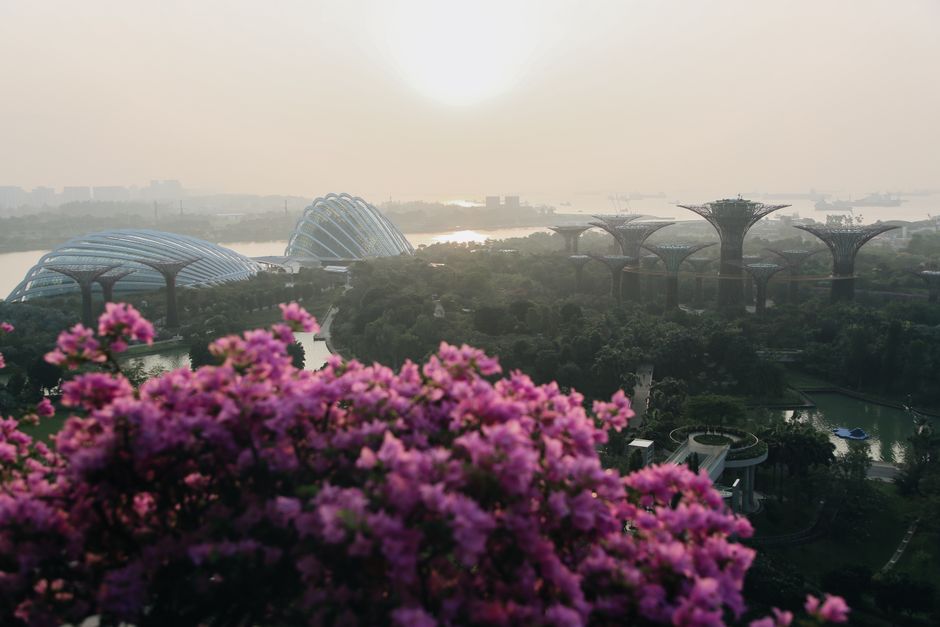
Residents across Singapore woke up to hazy skies and the distinct scent of smoke recently as deteriorating environmental conditions caused singapore haze unhealthy air quality levels to push into the unhealthy range for the first time in nearly seven years. The sudden shift in atmospheric conditions has prompted health officials to advise the public to take precautions as regional weather patterns carry smoke across Southeast Asia.
The Source of the Smoke
According to the original report, the dense smoke plumes originate from a series of active land and forest fires burning in Kalimantan, Indonesia. Favorable wind directions have unfortunately channeled these moderate to thick plumes directly toward the island nation, creating a persistent smog layer that has noticeably reduced visibility.
Historically, transboundary smoke has been a recurring environmental challenge for Southeast Asia, stemming from land-clearing practices and peatland fires during dry spells. Past episodes have severely impacted regional economies, aviation, and public health, prompting closer diplomatic cooperation and stricter domestic monitoring frameworks across ASEAN nations. While modern satellite tracking and rapid response teams have improved early detection, prolonged dry weather conditions can still overwhelm containment efforts, allowing smoke to travel hundreds of kilometers across national borders.
Understanding the PSI Readings and Singapore Haze Unhealthy Air Quality
The Pollutant Standards Index (PSI) climbed past the threshold that separates moderate air quality from unhealthy territory. For a population accustomed to generally clear skies, the jump in readings has sparked immediate concern. Environmental monitors continue to track the movement of the smoke closely, providing hourly updates so citizens can plan their outdoor activities accordingly.
When readings enter this elevated bracket, fine particulate matter—known as PM2.5—becomes the primary pollutant of concern. These microscopic particles can penetrate deep into the respiratory tract and enter the bloodstream, posing long-term health risks if exposure is prolonged. Understanding these metrics helps residents gauge the severity of the smog and determine when it is safe to venture outside.
Government Measures and Response
In response to the deteriorating atmospheric conditions, government agencies have activated multi-ministry contingency plans. The National Environment Agency (NEA) stepped up monitoring efforts, while the Ministry of Health distributed advisories and coordinated with healthcare institutions to prepare for potential surges in respiratory clinic visits. Schools and community centers are equipped to adjust outdoor physical education classes and sports activities, ensuring that children and vulnerable groups are shielded from excessive particulate exposure.
Furthermore, authorities continue to engage regional counterparts through bilateral and multilateral channels to share hotspot data and encourage swift mitigation of ongoing peatland fires at their source. Public stockpiles of essential supplies, including N95 masks and medical-grade air filtration units, remain ready for distribution should conditions escalate further.
Health Precautions for Residents
Medical professionals recommend that individuals, particularly older adults, pregnant women, and those with chronic heart or lung conditions, limit prolonged or heavy outdoor exertion while the haze persists. While the current situation does not match the severity of historical regional haze crises, taking sensible steps like keeping windows closed and utilizing air purifiers can significantly reduce indoor exposure to fine particulate matter.
As authorities monitor weather forecasts for any shifts in wind patterns that might clear the air, residents are encouraged to stay informed through official government channels and keep protective face coverings handy just in case conditions linger.
Related reading:
- Singapore Resumes Daily Haze Advisories PSI Reading After Unhealthy Air Quality
- Singapore Red Cross Launches Major Relief Effort to Provide Singapore Red Cross Heat Haze Support
- Sarawak Haze Hazardous Air Quality Threatens Malaysia
