

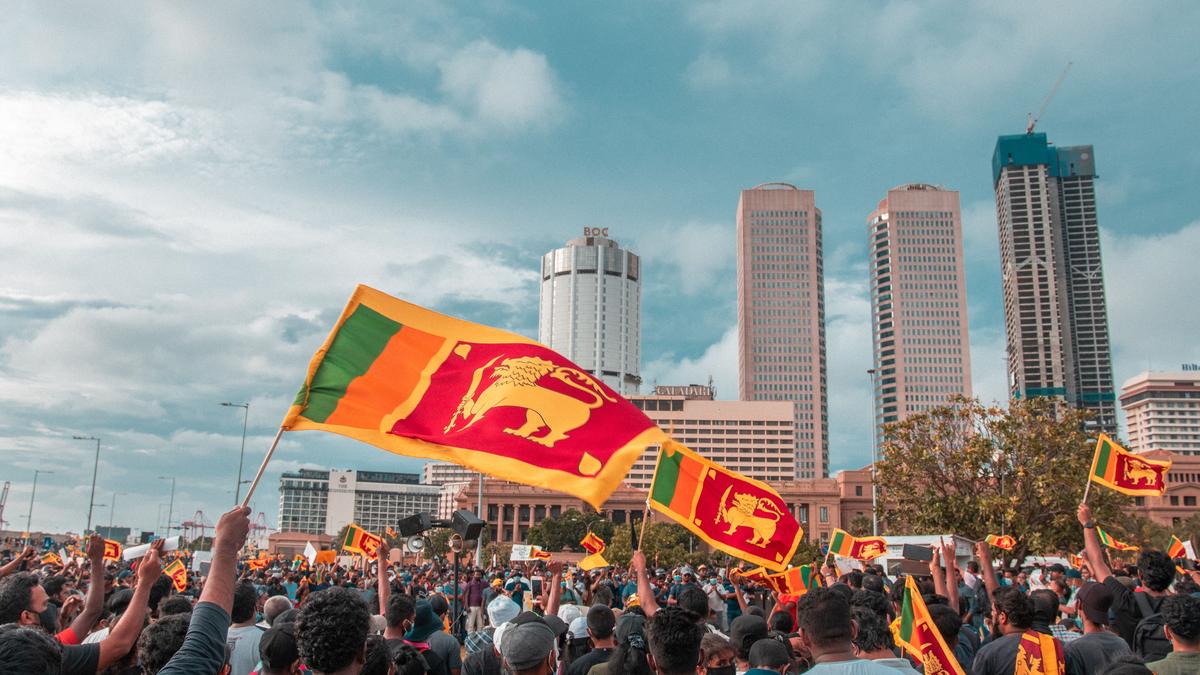
Nearly two years after a wave of historic public protests reshaped the nation’s political landscape, Sri Lanka stands at a critical crossroads. While the government has successfully pulled the country back from the edge of economic collapse and fostered a noticeably different political environment, the deeper structural overhauls demanded by its citizens remain largely unfulfilled. For many ordinary citizens, the ultimate hope of achieving a lasting Sri Lanka political system change remains the primary yardstick by which progress is measured. The journey from street-level demonstrations to concrete legislative action has been fraught with compromise, political hesitation, and institutional friction that continues to test the patience of a weary populace.
Restoring Economic Stability
The National People’s Power administration inherited a nation reeling from an unprecedented financial crisis. In the time since taking office, current leadership has made notable strides in stabilizing the macroeconomy, stabilizing markets and easing the financial burden on everyday citizens. Inflation has cooled, foreign reserves have seen gradual recovery, and international financial institutions have acknowledged the rigorous fiscal discipline implemented by the state. Yet, economists frequently point out that stabilization is merely the first phase of recovery. The structural vulnerabilities that allowed the original financial meltdown to occur—such as over-reliance on volatile foreign debt, poorly targeted social safety nets, and insufficient tax collection mechanisms—still require comprehensive legislative overhaul to prevent future crises.
A Shift in Political Culture
Beyond the numbers on a balance sheet, the administration has actively tried to distance itself from the opaque, patronage-driven politics of the past. Transparency initiatives, anti-corruption efforts, and reduced political spending have changed how the government operates. According to the original report, this cultural pivot was a direct response to public exhaustion with established political elites. Public forums, digital government initiatives, and open-door parliamentary committees have begun to redefine how citizens interact with their elected representatives. Even so, critics argue that these cultural adjustments are superficial if they are not codified into permanent legal frameworks that prevent future administrations from reverting to authoritarian habits or corrupt patronage networks.
The Long Road to Structural Reform
Despite these early victories on the economic and cultural fronts, the fundamental cry of the original Aragalaya movement—a complete overhaul of the state apparatus, known widely as ‘system change’—continues to face steep institutional hurdles. Voters who braved uncertainty to demand systemic accountability are now watching closely to see whether superficial shifts will give way to permanent constitutional, legal, and administrative reforms. Bureaucratic inertia and entrenched political interests remain formidable opponents to deep-rooted transformation. Essential initiatives like asset declaration laws for politicians, judicial independence guarantees, and police reforms move at a snail’s pace through parliamentary committees, leading to growing frustration among civil society groups who expected a much faster pace of modernization.
The Path Toward Lasting Sri Lanka political system change
As the anniversary of the movement approaches, the administration must navigate the delicate balance between maintaining economic stability and delivering radical political restructuring. For a populace that sacrificed so much to rewrite the nation’s story, fiscal recovery alone may not be enough to satisfy the hunger for genuine, lasting institutional renewal. Achieving a genuine Sri Lanka political system change requires rewriting the rules of political engagement, decentralizing executive power, and eliminating the culture of impunity that has historically shielded high-ranking officials from legal accountability.
Ultimately, the true test of this political era will not be measured solely by how well the books balance, but by whether the foundational architecture of governance can be successfully rebuilt to serve the public trust over the long term. Civil society organizations, student unions, and professional associations continue to apply pressure, ensuring that the flame of reform is not completely extinguished by the daily demands of governance.
Related reading:
- U.S. to Keep Advanced us typhon missile system okinawa Indefinitely
- UAE Heavy Truck Accidents Reach 1,136 Over Four Years
- Indonesia Partners With Japan to Build Advanced Indonesia Earthquake Early Warning System
