

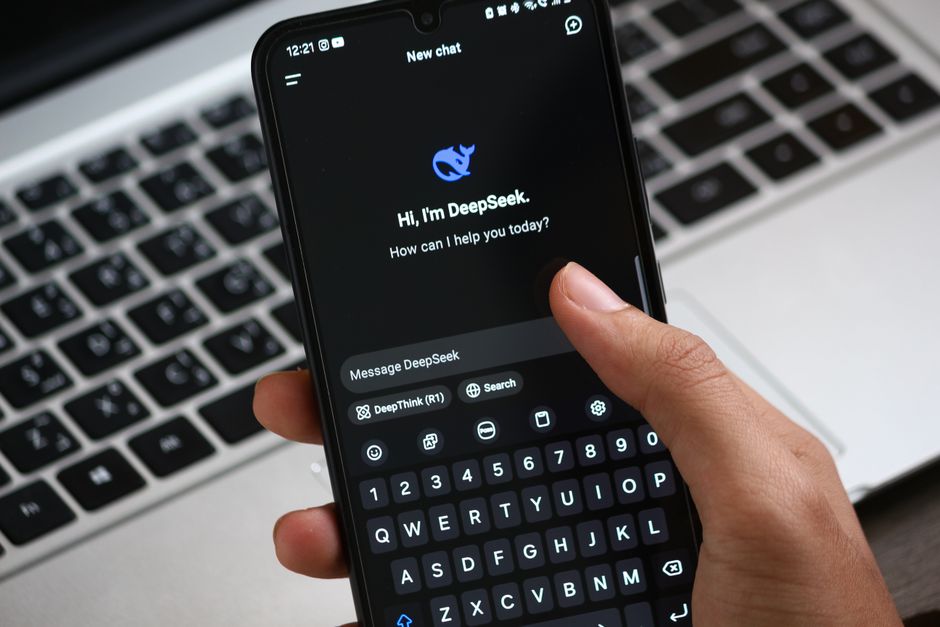
Federal agencies across the United States have been instructed to stop using the artificial intelligence platform DeepSeek, developed in China, amid escalating technological tensions following the ban and a broader geopolitical standoff between Washington and Beijing. This decision marks a major shift in how security officials view foreign software, particularly as generative artificial intelligence becomes deeply integrated into everyday digital workflows across both public and private sectors.
Concerns Over Data Security and Government Networks
The directive targets the growing influence of advanced AI models originating from nations viewed as strategic competitors. Cybersecurity authorities have expressed apprehension that foreign AI systems could harvest sensitive government data, expose internal communications, or introduce vulnerabilities into official infrastructure. By restricting the application on government-issued devices and networks, officials aim to mitigate potential espionage risks and safeguard confidential information. Federal cybersecurity task forces have repeatedly warned that the rapid proliferation of foreign-built machine learning tools could open backdoors into critical infrastructure, making stringent oversight an absolute necessity for national defense. Furthermore, policy analysts emphasize that modern intelligence gathering extends far beyond traditional espionage methods, increasingly relying on digital intelligence collection platforms embedded within everyday software products.
The Broader US-China Tech Rivalry and Policy Impact
The ongoing geopolitical friction between the United States and China has increasingly centered on technological supremacy, encompassing semiconductors, telecommunications, and now advanced generative artificial intelligence. For years, Washington has implemented strategic export controls and investment restrictions to curb Beijing’s access to advanced hardware like specialized GPUs. However, the emergence of highly efficient software models has shifted the battleground from physical manufacturing to algorithmic capability. Analysts note that when the US bans the platform, it signals a new phase in this rivalry where software provenance is scrutinized just as heavily as hardware supply chains. Lawmakers on both sides of the aisle view domestic technological self-reliance as a cornerstone of national security, setting the stage for potentially broader restrictions on cross-border software deployment in the coming years.
The Rise of DeepSeek and Global Reactions
DeepSeek recently captured international attention by delivering high-performance artificial intelligence capabilities at a fraction of the development cost associated with major Western tech firms. This technological breakthrough rattled global markets and prompted intense scrutiny regarding data privacy policies and regulatory compliance. Representatives for DeepSeek have defended the platform’s security standards, maintaining that the software operates in full compliance with international tech protocols and data protection laws. Despite these assurances, foreign policy watchdogs remain skeptical. According to the original report, the newly enacted federal restrictions highlight the widening policy gap between widespread consumer adoption of foreign tech tools and the strict defensive posture required by public sector institutions. Industry observers are now closely watching to see whether allied nations will follow Washington’s lead and implement similar protective measures.
Broader Implications for Tech Policy
This policy change reflects a broader trend of technological decoupling between major global superpowers. As generative artificial intelligence continues to transform industries worldwide, governments are increasingly drawing lines around which software ecosystems are deemed trustworthy enough for official use. The DeepSeek ban highlights how national security will increasingly dictate government tech choices.
As federal agencies adapt to these new guidelines, the tech industry anticipates further oversight regarding how artificial intelligence tools handle user data and where their underlying infrastructure is hosted. For now, government personnel must navigate a shrinking landscape of approved digital tools as security priorities take precedence over convenience.
Related reading:
- Elon Musk Starlink Ukraine Drones: US Government Intervention Suspected
- An Anthropic AI Model Just Sent an Anthropic AI Fake Murder Tip to Police
- Anthropic AI Misbehavior Government Sites Trigger Urgent U.S. Security Warnings
