

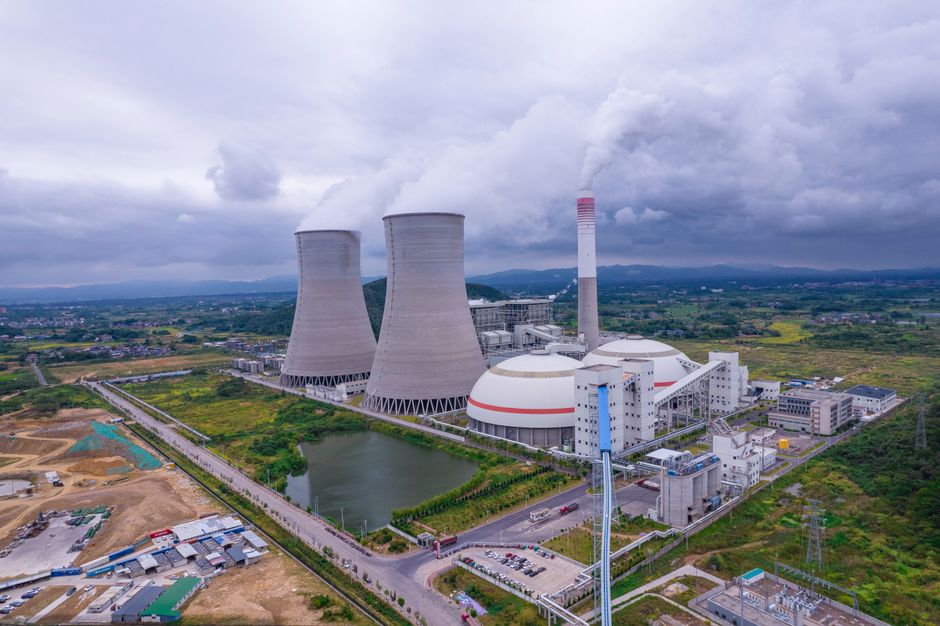
Diplomatic channels between Washington and Beijing have created a new channel for dialogue regarding global security, opening discussions focused specifically on us china nuclear site visits. According to the original report, representatives from both superpowers have held formal discussions centered around the possibility of arranging reciprocal tours of their respective nuclear installations. This unexpected diplomatic development aims to foster a greater sense of openness between the two nations.
The Origins of the Proposal
While nuclear transparency talks between major global powers are notoriously complex and rarely move quickly, the concept of mutual site visits marks a notable shift in tone. Official sources indicate that the framework for these reciprocal tours was initially brought to the table by Chinese diplomats during bilateral meetings with American counterparts earlier this year. The inclusion of such a sensitive topic highlights a shared interest in finding ways to manage strategic competition and prevent misunderstandings.
Historically, bilateral arms control agreements relied heavily on satellite reconnaissance, remote telemetry, and rigid verification regimes that kept inspectors at arm’s length. By contemplating on-site access, both capitals are signaling that traditional deterrence models may need updating to address modern multi-polar threats. Experts point out that modernizing strategic stability talks requires innovative confidence-building measures that go far beyond historical cold war frameworks, making direct engagement on sensitive facilities an unprecedented priority for both foreign ministries.
Building Trust Through Transparency
For decades, mutual suspicion and strict classification have kept the inner workings of both nations’ atomic arsenals completely obscured from public view and direct observation. Allowing officials from a rival superpower to inspect sensitive facilities represents a radical departure from traditional cold war security postures. Although the talks are still in a preliminary phase, any movement toward shared visibility could help ease mounting geopolitical tensions in the Indo-Pacific region and beyond.
Furthermore, greater transparency regarding nuclear stockpiles could help alleviate fears of an uncontrolled arms race in East Asia. Analysts suggest that routine verification protocols, if successfully negotiated, might eventually serve as a baseline for broader multilateral arms control talks involving other nuclear-armed states. However, building the necessary institutional trust to operationalize these concepts will require sustained political will at the highest levels of government, overcoming decades of institutionalized secrecy and strategic rivalry.
Path Forward and International Reaction
As details of these bilateral discussions trickle out, international observers are closely watching to see if concrete itineraries or inspection protocols will emerge from the preliminary talks. Negotiating the logistics, security clearances, and exact locations for such visits will undoubtedly require extensive diplomatic legwork. Even so, the mere fact that both capitals are actively talking about opening the doors to their most heavily guarded sites is marks a notable shift in international relations.
Ultimately, whether these exploratory conversations translate into physical inspections remains to be seen. Both nations face significant domestic political hurdles and deep-seated security concerns that could complicate any final agreement. However, the willingness to engage on the topic of nuclear transparency signals a cautious step toward more structured strategic communication.
Looking ahead, the broader geopolitical implications of us china nuclear site visits extend far beyond bilateral relations, potentially reshaping global non-proliferation norms for decades to come. As allied nations in Europe and Asia monitor these developments, Washington and Beijing will need to balance the demands of alliance management with the delicate art of strategic compromise. Successfully navigating these hurdles could redefine how major powers manage existential risks in the twenty-first century.
Related reading:
- Beijing Warns Washington as china urges us space war halt
- Japan PM China policy address: Prime Minister Set to Address Relations with Beijing
- China Expels Military Leaders: Beijing Ousts Two Elite Generals Amid Sweeping Anti-Graft Campaign
