

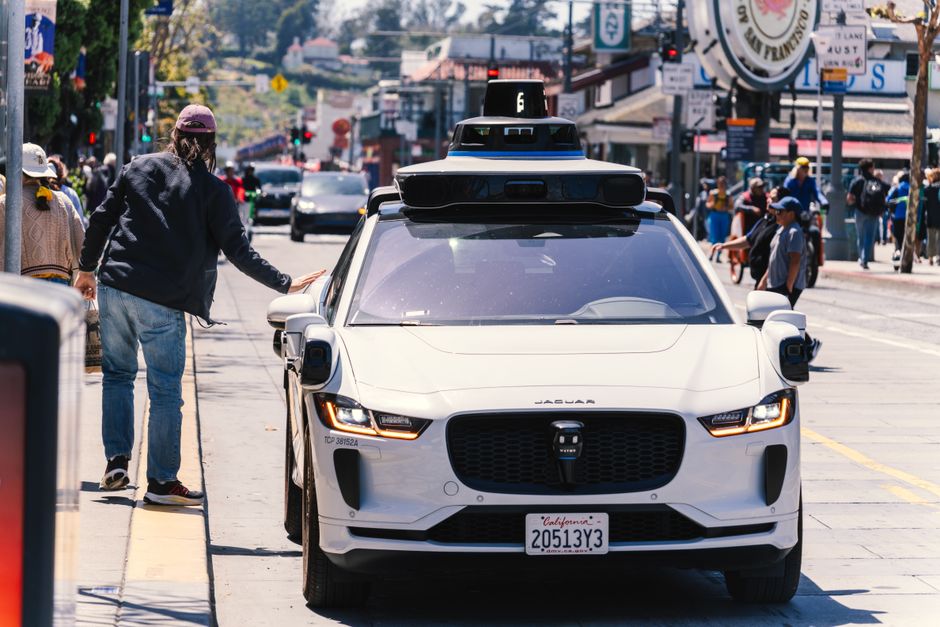
American autonomous driving pioneer Waymo has announced plans to introduce its self-driving taxi service to Singapore by 2028. This upcoming expansion marks a major milestone for the firm, establishing its very first operational foothold in Southeast Asia. Singapore’s advanced infrastructure makes it a prime testing ground for automated transport.
The Timeline and Vehicle Rollout for Waymo robotaxi Singapore 2028
According to the original report, the initial phase of the rollout will begin with the arrival of fully electric Jaguar I-Pace vehicles in the city-state over the coming months. These vehicles will serve as the hardware foundation for the commercial fleet. Waymo is taking a methodical approach to deployment, ensuring that the vehicles are physically present and undergoing preliminary logistics checks well ahead of the public debut scheduled for the end of the decade.
The logistics of launching a large-scale autonomous fleet involve extensive collaboration with local transport authorities, municipal planners, and road safety regulators. Singapore’s Land Transport Authority (LTA) maintains strict safety standards for autonomous vehicle testing and deployment on public roads. By initiating early fleet staging and conducting comprehensive infrastructure mapping well in advance, Waymo aims to build a robust regulatory compliance framework. This proactive engagement is expected to streamline the eventual commercial rollout, ensuring that both the hardware and the software meet the rigorous safety demands of the local government.
Adapting to Local Roads and Weather
Launching a self-driving fleet in a dense, bustling metropolis requires deep adaptation to regional driving nuances. To prepare for this, Waymo plans to deploy trained autonomous specialists starting in 2027. These drivers will manually operate the vehicles on local streets to gather vital data. This hands-on phase will help the company fine-tune its navigation software to handle Singapore’s unique road layouts, heavy traffic patterns, and severe monsoon conditions effectively.
Tropical weather presents unique challenges for autonomous sensors, particularly heavy downpours that can obstruct LiDAR, radar, and camera visibility. During the multi-year data collection phase leading up to the public launch, Waymo’s engineering teams will focus heavily on sensor cleaning mechanisms, computer vision enhancements under low-visibility conditions, and localized mapping precision. Navigating complex junctions, ERP gantry zones, and bustling commercial districts requires an intricate understanding of pedestrian behavior and local driving culture, which tends to be dynamic and fast-paced.
A Strategic Move for Southeast Asia and the Future of Waymo robotaxi Singapore 2028
By targeting Singapore, Waymo is positioning itself at the forefront of the region’s automated transport sector. The city-state is globally recognized for its strict traffic regulations, high technological readiness, and forward-thinking urban planning. Successfully launching a commercial robotaxi service here could pave the way for broader regional expansion in the future, setting a benchmark for how autonomous vehicles integrate into densely populated Asian cities.
As preparations ramp up over the next few years, commuters, investors, and tech enthusiasts alike will be watching closely to see how Waymo’s technology handles the vibrant, fast-paced environment of Singapore’s streets ahead of the 2028 launch. The broader implications of this expansion extend beyond mere convenience; successful adoption could catalyze similar regulatory frameworks across neighboring ASEAN nations, accelerating the adoption of sustainable, driverless mobility solutions throughout the broader Asian market.
Furthermore, the introduction of an all-electric autonomous fleet aligns closely with Singapore’s national green targets, specifically the Singapore Green Plan 2030, which emphasizes sustainable development and the reduction of carbon emissions in the transport sector. By integrating zero-emission vehicles into a shared autonomous ride-hailing model, Waymo’s initiative could significantly contribute to easing urban congestion and minimizing the overall environmental footprint of daily commuters across the island.
As the timeline progresses toward the commercialization phase, stakeholders will monitor key performance indicators including safety records, software iteration speeds, and public consumer trust metrics. The success of this venture will likely serve as a litmus test for Western autonomous vehicle developers seeking to scale their operations internationally, proving whether proprietary AI models can seamlessly transition into entirely different cultural, regulatory, and infrastructural landscapes.
Related reading:
- Autonomous Vehicle Startup May Mobility Targets Nasdaq Through May Mobility SPAC deal Nasdaq
- ASML EUV tools 2028 JPMorgan: Production Expansion Plans Explored
- Singapore Man Sent to Prison After Driving Around With Hidden SMS Blaster
