

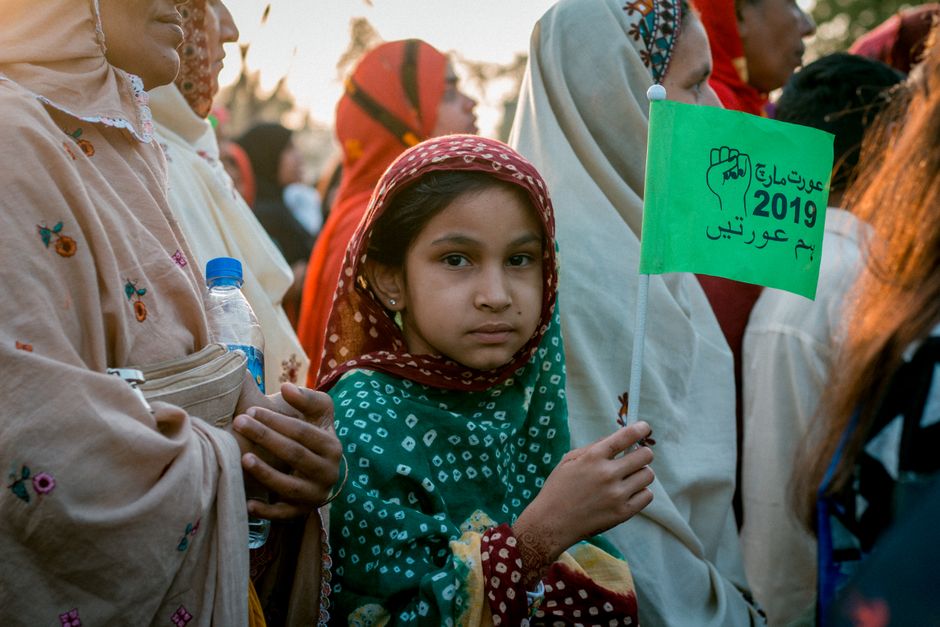
The World Economic Forum has officially released its latest findings, shedding light on where nations stand regarding equality between men and women. While the global landscape continues to shift across various sectors, specific regions are still navigating significant structural hurdles as they work toward narrowing long-standing disparities, particularly as highlighted in the Pakistan gender gap index 2026.
Understanding the Global Gender Gap Index
The World Economic Forum evaluates countries annually by analyzing critical areas such as economic participation, educational attainment, health and survival, and political empowerment. Examining these factors allows researchers to map out structural inequalities globally and track how different nations perform over time.
Where Pakistan Stands in the Pakistan gender gap index 2026 Rankings
In the latest evaluation, Pakistan holds the third-to-last position globally. Despite landing near the bottom of the comprehensive list, the country has registered a notable numerical shift. According to the original report, the nation achieved a 2.8% improvement compared to its previous scoring metric, shifting from last year’s 56.7% baseline. Analysts examining the Pakistan gender gap index 2026 point out that while this uptick is statistically measurable, translating it into widespread institutional transformation remains a massive undertaking for policymakers and civil society organizations alike.
Challenges and Opportunities Ahead
While any upward trajectory is a positive indicator, ranking near the bottom underscores the complex socio-economic challenges that remain. Experts note that sustained institutional reforms, better workforce integration, and expanded educational access will be vital if the nation hopes to accelerate its upward movement in future evaluations.
Historical comparisons show that structural barriers in labor force participation and political representation have historically weighed down the country’s scores in international assessments. Economists emphasize that bridging these divides requires targeted interventions rather than passive improvements. Furthermore, grassroots initiatives focused on female literacy and financial inclusion are frequently cited by development economists as indispensable tools for long-term progress.
As the international community continues to monitor these trends, the annual index serves as both a scorecard and a roadmap, urging policymakers to turn incremental statistical gains into meaningful, long-term societal change. Stakeholders across various sectors continue to debate the most effective pathways to achieve equitable growth, ensuring that future iterations of the report reflect tangible improvements in the daily lives of citizens.
Related reading:
- Fourth Polio Case 2026 KP Bannu: New Infection Confirmed in Pakistan
- Chinas J 10CE fighter export Expands Global Footprint Following Pakistan Deployment
- New Global Assessment Ranks Pakistani Cities Among Least Prepared for Climate Threats in Latest Pakistan Cities Climate Risk Report

1 comment
[…] Pakistan Shows Slight Progress in Pakistan gender gap index 2026 […]